
This 22nd post in our series through Revelation studies the message of chapter 18. A recording of this is available on the Shofar Durbanville Youtube channel.


We use metaphors in our daily conversations to bring across rich ideas. We refer to “Wall Street” collectively as the market economy system. “Hollywood” is synonymous with the movie industry. “Newspapers” rarely refer to printed media but rather journalism as a whole. The “Cayman Islands” are synonymous with tax havens. In the same way, we use words like “The East”, “The West”, or “9-11” to bring across collective ideas and, with it, powerful sentiments.
Revelation is full of metaphors that are meant to move its readers emotionally. We read about Christ being the Alpha and Omega, the Bright Morning Star, the Lamb of God, the Lion of Judah, etc. Judgments are depicted as seals, trumpets and bowls. The Church is called golden lampstands, the 144’000, the Bride of Christ, the New Jerusalem, etc. In contrast, Rome is depicted as the Beast, the Great Harlot, Babylon, etc. Just as the 144’000 refer to God’s saints through the ages (7:4-8), Babylon also refers to more than Rome. It refers to all who “want to make a name for themselves” (Babel, Genesis 11:4), any and all empires or ideologies that resist God and his reign.
Revelation 18 paints the picture of the destruction of Babylon with a funeral scene. In it the Author alludes to the judgments of the pagan cities Sodom and Gomorrah (Genesis 19), ancient Babylon (Is 13:19-21) and Edom (Is 34:11-17). John’s vision reveals three reasons for the destruction of Babylon – a warning to all.
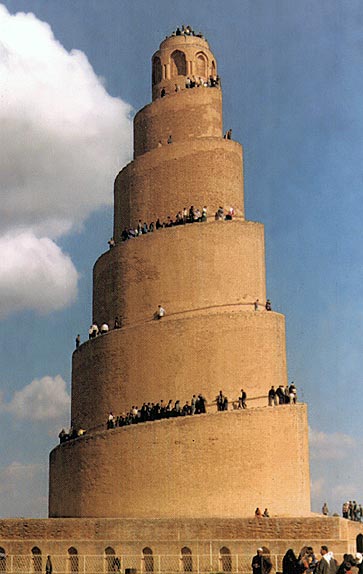
Self-glorification (18:7-8). “Because she glorified herself”, God poured out on her the seals and trumpets and bowls. Six times in this chapter, Babylon is called “great” (18:2, 10, 16, 18, 19, 21); like ancient Babel, this city has succeeded in making a name for herself (Genesis 11:4). Her boasting alludes to the arrogance of King Nebuchadnezzar who said “Is not this great Babylon, which I have built by my mighty power as a royal residence and for the glory of my majesty?” (4:30). That very moment God brought the proud king down. Indeed, “pride goes before destruction” (Proverbs 16:18). Indeed, “God resists the proud, but gives grace to the humble” (James 4:6).
The self-glorification and destruction of Babylon are in stark contrast to the thankful humility and exaltation of the New Jerusalem, which “has no need of sun or moon to shine in it, for the glory of God gives it light, and its lamp is the Lamb.” (Revelation 21:23)

Power, prosperity and perversion (18:3). The Caesars of Rome promised peace and prosperity to all who submitted to their rule through the Pax Romana. The life they offered was one of sensuality, wealth and security through its military might. To the first recipients of Revelation, “Babylon” pointed to Rome. In this chapter, we see three groups of people mourning its destruction: “Kings” representing the pursuit of power, “merchants” representing the pursuit of prosperity, and “ship masters and sailors” representing the pursuit of immoral pleasures (18:9,11,17). The Author shows that Babylon is destroyed because it seduces and ensnares people with the lure of power, wealth and immoral living.
The bulk of the chapter is directed at Babylon’s failed promise of prosperity and its lure of “luxury” (repeated three times 18:3,7,9). Riches are said to be “deceitful” (Matthew 13:22) because it promises joy and peace – the fullness of life – but Jesus warns that life does not consist in the accumulation of wealth and possessions (Luke 12:15). The same can be said about Babylon’s lies promising power and sensuality…
[Read the full commentary of Revelation in Faithful to the End]

Quick links to full THE END Revelation Series posts
1 2 3 4 5 6 7 8 9 10 11 12 13 14 15 16 17 18 19 20 21 22 23 24 25 26
 walklikejesus