This 12th reflection in our journey through Revelation displays the vibrant apocalyptic genre of this prophetic letter. A recording of this post is available on Shofar Durbanville Youtube channel, as part of the Revelation Series. Follow the link below.
The middle section of Revelation we now enter (chapters 6-16) contains three sets of seven judgments each:
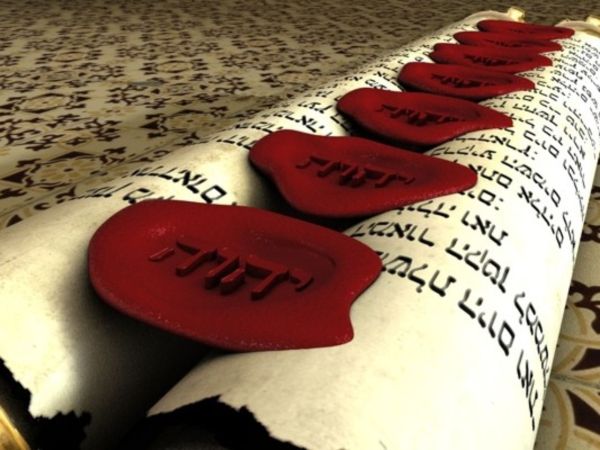
- the opening of the seven seals (chapters 6-8a),
- interluded with a roll call of the Lamb’s Army (chapter 7)
- the blowing of the seven trumpets (chapters 8b-11),
- interluded with a description of the Lamb’s temple and two witnesses (chapter 10)
- and the seven signs of warning (chapters 12-14)
- the pouring out of the seven bowls (chapters 15-16).
These judgments that proceed from the throne room of God, as the Lamb opens his scroll, are acts of God’s redemption of creation, “reconciling all things to himself… by the blood of his cross.” (Colossians 1:20)
How do you read it?
There are various interpretations of Revelation, especially of this middle section.
 These judgments are generally interpreted in four ways: Preterists see all fulfilled before the 1st or 4th centuries. Historicists believe these have been performed throughout history. Idealists do not read Revelation literally but see all as symbolic of the struggle between good and evil. Futurists await the chronological fulfilment of these events (Ch 4-22), which they believe will result in a crisis period leading up to Christ’s second coming.
I believe that these three sets are not limited to events of the past or events in the future but are indicative of crises that occur in every generation. I believe these three sets of seven are not to be read as a chronological prediction but rather as three different perspectives on the many crises the world and the church have faced throughout history (from there, the many repetitions in these chapters). Remember, this prophecy was written as encouragement and exhortation to seven real congregations who experienced much of these crises in their own time.
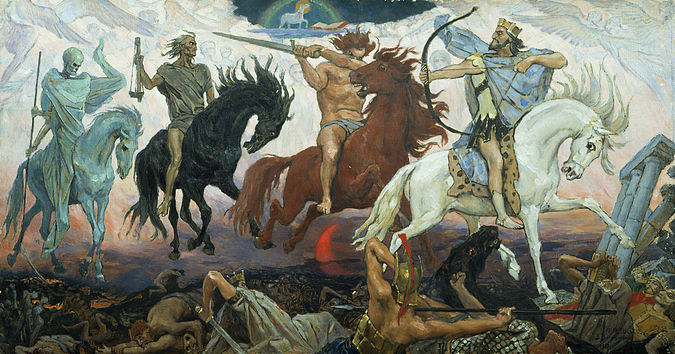
The four horsemen of the apocalypse

In keeping with the nature of the apocalyptic genre, all three sets of judgments draw richly from Old Testament literature. The opening of the seven seals starts with the unleashing of the Four Horsemen of Zechariah (1:7-14; 6:1-7), who would unleash “four disastrous acts of judgment, sword, famine, wild beasts, and pestilence, to cut off from it man and beast!” (Ezekiel 14:21; compare Deuteronomy 32:23-25).
It is important to note that these acts of judgment proceed from the decrees of the scroll, as the Lamb unrolls God’s redemptive plans for the creation, bringing all other kingdoms into subjection to his reign (compare Colossians 1:15-20). The judgments are initiated by Christ; the horsemen are… [Read the full commentary of Revelation in Faithful to the End]

Quick links to full THE END Revelation Series posts
1 2 3 4 5 6 7 8 9 10 11 12 13 14 15 16 17 18 19 20 21 22 23 24 25 26
 walklikejesus