September 11, 2001 is a day that no New Yorker (or our generation) will ever forget. It started off as another ordinary day as people hurried into the day. Someone overslept, another had a fight with his wife, someone’s car broke down, one planned to get engaged that evening. But for more than 5000 people in the Twin Towers it was the last day of their lives.
We never schedule a crisis in our dairy – no one knows when disasters is going to hit. A sudden death of a loved one, news of cancer, robbers in your home or a letter of retrenchment. These things happen to someone every day. Jesus spoke the truth: “in this world you will have trouble” (John 16:33). All we can do is “be watchful” and ready (1 Peter 5:8) and respond in a godly way.
Judah’s king Jehoshaphat had such a day as three big armies crossed the sea from Syria to invade Judah. Yet this Godly man did not panic or run away. His response to this crisis is recorded for our comfort, encouragement and learning (Romans 15:4).
Photo-documentary of 2 Chronicles 20 (1 of 3)Photo-documentary of 2 Chronicles 20 (2 of 3)Photo-documentary of 2 Chronicles 20 (3 of 3)
What can we learn from this great historic account deliverance?
DEVOTION: Live ready (v6-13)
Jehoshaphat is a king that served God with the devotion of king David, “walked in his commandments” (2 Chronicles 17:3-4) and had his “heart set on God” (19:3). Not only did he serve God in the privacy of his heart and personal life, but this righteous ruler courageously brought about a great reformation in the nation of Israel by destroying Baal worship with its immoral public practices, and by further commissioning priests to teach the Law of God throughout Judah and later judges to bring about justice in his kingdom.
So when the news of this crisis came to his palace, Jehoshaphat did not fear but did what he did every day: he went into his inner room and prayed to the God whom he had faithfully served all his days. I love the way the book of Daniel records how that godly prophet responded to the death threats of not worshipping the emperor: “and Daniel went to his house… and he kneeled on his knees three times a day and prayed, and gave thanks before his God, as was his custom since his youth.” (Daniel 6:11)
So what do we learn from this? A crisis may hit any of us at any moment, and the best way to be prepared is to be securely rooted in a devoted relationship with God. When war breaks out the soldiers should be disciplined and trained; when exam day comes the student should be prepared; when a fire rages the fireman should be trained. When a crisis hits, the believer should be firmly established in the devotional disciplines and relationship with His God – just like Jehoshaphat was.
Secondly, Jehoshaphat was ready because he was forewarned about some impending doom (2 Chronicles 19:2). Peter teaches us to “be watchful because the devil walks around like a prowling lion” (1 Peter 5:8) and Paul urges the believer should “not be ignorant if [Satan’s] plans” (2 Corinthians 2:11). We are ready by staying close to God and watching in prayer, listening to what the Holy Spirit reveals to us.
PRAYER: Run to God (v13-14)
As soon as the news of the approaching armies reached the king he proclaimed a fast, and everyone in this reformed nation ran to their God. Jehoshaphat’s prayer is deliberately included as an example prayer for a crisis such as this. This is how he prayed:
Praise: Even with the crisis looming Jehoshaphat starts by praises to God, allowing his (and the assembly) to consider Whom they are praying for: the Almighty God who Rules from Heaven and has power over every nation, and he is the God who made covenant with them!
Remind: The king reminds himself (and the assembly) of what God has done in the past, which immediately makes this present crisis seem less dooming since God has done many similar miracles for Israel in the past. Furthermore Jehoshaphat reminds himself (and the assembly) of the promises of God, stirring faith that God had already promised to do the thing he was about to ask. These two reminders stirred the assembly’s hope that God is at hand and for them, and therefore he is willing and able to deliver them from this disaster.
Confess: “You have not because you ask not”. Only after praising God for his attributes and faithfulness does the King confess his problem to God and asks for intervention, but he adds their helplessness in the situation and trust in God’s willingness and ability to help. He prays “For we have no power against this great multitude that is coming against us; nor do we know what to do, but our eyes are upon You.” (verse 12). God promises “grace to the humble” – and that is exactly what the nation needs in this crisis!
WAIT: Let God direct you (v13-15)
After the prayer the whole nation “stood before the Lord” (verse 13) – just waited patiently, quietly for God’s direction or instruction. Each minute that they stood waiting they knew the army marched closer to Jerusalem. But no-one did anything to prepare for war or flight – they abstained from all food and rest and entertainment because they knew that all their efforts will be futile – they literally looked and waited for God to save them.
Just like Habakkuk did years later, the Jews took their eyes off their enemies and looked towards God: “I will take my stand at my watchpost and station myself on the tower, and look out to see what he will say to me” (Habakkuk 2:1). Then God answered through the prophet Jahaziel that he will destroy their enemies – they simply had to walk to the edge of the desert and see what He was going to do. Juda was encouraged by God and worshipped God with relief and gladness. God heard their prayers and would save them from certain destruction!
Because they waited, God answered the questions “Lord, what do you see?”, “Lord, what will You do to save us?” and “Lord, what must we do?” In every crisis the Word of God is what changes the situation from trial to triumph.
FAITH: the worship of faithful obedience (v16-21)
But as in almost every situation, God involves us in His salvation. What did the Jews have to do? In simple obedience walk head-on towards the enemy. As Moses had to face Pharaoh, Joshua had to encircle Jericho, David had to walk up to Goliath, and Gideon had to walk into the Midianite camp, so Judah had to march in faith towards this massive army. As Daniel’s friends discovered, God’s Great Plan sometimes requires us to walk through the fire. But as they obeyed in faith, they started singing the ancient Israeli song associated with God’s faithful deliverance of the Egyptian Army after their Exodus “Praise the LORD, for His mercy endures forever.” (2 Chronicles 20:20)
And this act of faithful obedience and praise resulted in God’s intervention into the situation: the three invading armies turned on each other and completely annihilated each other so that “No-one had escaped.” (v24) All Judah had left to do was carry the spoils of war back – for three full days! What a marvelous victory by the Lord!
THANKS: Stop to give honour (v24-26)
But the story does not end with the spoils and peace – Jehoshaphat had the wisdom to end where they began: at the House of God. The whole nation returned to God’s Temple in Jerusalem to give thanks to God and make His praise glorious. They returned to the place where they prayed, waited and received the Word and direction from God.
Just like one of the ten lepers who had received healing from Jesus returned to give thanks and “was made well (or whole)”, so Jehoshaphat and Judah was reward with “quite” and “rest all around” because of their gifts of thanks.
The other day the Lord said to me as something happened which was out of my control, “Don’t walk around defeated.” I want to leave you with this phrase – when Crisis hits don’t walk around defeated, like heathen who live “having no hope and far from God in this world” (Ephesians 2:13).
Rather, like King Jehoshaphat, devote your life to seek and serve God. When news of crisis comes, turn to Him in prayer, reminding yourself of Who He is and what He has done, present your problem to Him and confess your helplessness and trust in Him. Ask Him what He will do and what you should do. Then wait – let Him direct your response. Act confidently – God is in control of your life, and you are precious to Him. And once He has saved you, make His praise glorious!
“Wherever you go, there you are.” Grin or laugh about the silly statement, but it is a truth with significant consequences. The older we get the more we realize that we cannot run away from ourselves – the painful or shameful memories of past failures and disappointments with oneself, our emotions or our own shortcoming – because “wherever you go, there you are.” Sadly we can’t outrun ourselves. Where you go, these aspects of your life follow you.
But we also realize that the people in our lives come and go because we move on, because we hurt or get hurt, or because inevitably our loved ones pass away. So apart from the constancy of God in our lives, only “you are wherever you go” – no one else. Good or bad – this truth requires some reflection and response.
Sooner or later in life you will find that you are left to face a big, troubling situation all by yourself. With no-one else to spur you on, you will need to encourage yourself in God.
ENCOURAGE YOURSELF IN GOD
Although he did not live an isolated life, David had to face many critical situations alone with his God. In 1 Samuel 30 we find David at a very vulnerable position in his life: he and his group of mercenaries (all refugees from Israel) just returned to their refugee-town of Ziklag after being rejected by the Philistines to participate in war on Israel. As this agitated group of warriors returned to their hometown they found it plundered by a band of Amalekites who left with all their possessions and loved ones. The historian records that“David and the people who were with him wept until they had no more strength to weep… And David was greatly distressed, for the people spoke of stoning him, because all the people were bitter in soul, each for his sons and daughters.” (v3-5)
David was at the end of himself, and so were all the soldiers with him. They have been living with the Philistines for the last 16 months as foreigners far away from family and familiarity. They were tired and without income. The last bit of comfort were their homes, family and community – now this too was taken away. They worried what those savages would do to their loved ones. The anguish was great and brought David to an all-time low – it seemed as though God had rejected him.
But our shepherd-king knew his God, and “strengthened himself in the LORD his God.” (v6) David knew he needed courage to go on, and he knew where he would get it. Better yet – he knew from WHOM he would get courage – “theGod of Encouragement and Endurance.” (Romans 15:5)
How did David encourage himself in the Lord his God?
THE DISCIPLINE OF PRAISE
I bet that this psalmist sang a song that he wrote just over a year earlier, after God had delivered him from Abimelech the Philistine King (Psalms 34). In that song David vowed to “bless the LORD at all times” (verse 1) – in all circumstances, good or bad. Why? Because the Lord is always God, always good. Then he vowed “his praise shall continually be in my mouth” (verse 1) – leaving no space for negativity, grumbling, complaining, fearful or hopeless confessions. David’s mouth was dedicated to speaking of God’s power and goodness – he therefore his heart was encouraged to move on in faith.
REMIND YOURSELF HOW BIG AND CLOSE GOD IS
This discipline of praise lead David to “magnify the LORD, and …exalt his name” (verse 3). Is it possible (or even necessary?) to make God bigger than he is? No. God’s magnitude will not change with David’s praises – but when you tell God of his rehearse his great attributes and benevolent, righteous character, your perspective of our circumstances does change. By making God bigger, you make your problems smaller. You see life from God’s perspective, and that makes your troubles seem smaller. When we praise God we remind ourselves that God can make a way where there seems to be no way – even in this hopeless situation we now face. That reminder stirs hope, the confidence that this troubling situation will “work together for the good” (Romans 8:28) and that God “will make a way” where it seems impossible (Isaiah 43:19). Hope stirs courage – it gives strength to the heart.
REMIND YOURSELF OF WHAT GOD HAS DONE
Then, in the praises, David reminds himself of how God “answered and delivered”(verse 4) him in the past. He probably recalled how the Lord saved him from the lion and the bear while he was watching his father’s sheep, and how the Lord gave him victory over the giant Goliath and later as captain in Israel’s army. He probably recalled how the Lord had delivered him many times from the hand of the jealous King Saul and the barbarians he fought as mercenary. David truly experienced how “the Lord is near to the brokenhearted and saves the crushed in spirit.” (verse 18)
This gave David strength to get up from the pit of despair, to get out of his raided house, face the angry mob of mighty men outside and encourage them to pursue their enemies!
WAIT ON THE LORD FOR INSTRUCTION
But David was wise enough to not act in presumption. David knew how to “wait on the Lord [to] strengthen your heart” (Psalm 27:14), and that it requires patience and discipline until God gives the go-ahead. The historian records that before David got up to pursue the band of Amalekites he “inquired of the LORD, ‘Shall I pursue after this band? Shall I overtake them?’ [God] answered him, ‘Pursue, for you shall surely overtake and shall surely rescue’” (1 Samuel 30:8). Only then did David encourage the men with this prophesy of success, turning their hopeless frustration into hopeful fortitude.
David and his men were so invigorated by this encouragement from God that they pursued the Amalekite army for two days and then engage them in combat “from twilight until the evening of the next day” (verse 17). A promise from God gives one strength to go on.
A NEED FOR ENCOURAGEMENT
Had David not leaned the discipline to encourage himself in God, his story might have ended in this chapter. But he gained the necessary courage to press on in the presence of God. Not only did David himself benefit from his self-encouragement: his army of mighty men got turned around from self-pity to strength, their wives and children got rescued, and everyone was prospered through this pursuit to such an extent that David even had wealth to share with the tribal leaders in Israel – the very thing that turned their hearts and attention to him and invite him to return from exile and receive his kingship. All because David could encourage himself in the Lord his God.
Can you identify with David’s feelings of frustration, loss and despair? Then follow his example: shut the door to all the noises and demands, praise God and remind yourself how powerful and close he is, and what he has done for you and others1 in the past. Then wait patiently on him for direction, and see how the Lord “encourages your heart and strengthen you in every good deed and word.” (2 Thessalonians 2:17)
You’ll be surprised to find that – like for David – self-encouragement not only changes your mood, but your circumstance and the lives and destinies of those around you. After all, what else would you expect from a meeting with Allmighty God?
Footnote
When one is in despair it is often difficult to remember good times and breakthroughs of the past. I find it helps to rehearse and reflect in prayer on what God had done for others as recorded in Scripture. I would recall Gods saving intervention in the lives of Abraham, Jacob, Joseph, Moses, Joshua, Samson, Gideon, David, Daniel etc… Their life stories as recorded in the Bible give me courage in my times of difficulty. This is what Paul referred to when he wrote “whatever was written in former days was written for our instruction, thatthroughendurance and through the encouragement of the Scriptures we might have hope.” Try this.
What will your kids imitate (either intentionally or unintentionally)? Or what are they learning from you now?
What is your influence right now? When you leave the office today, or the dinner party tonight or the Bible study group this evening, what do people say of you after you’re gone? What are you known by?
I WANT TO BE A BARNABAS
St Barnabas “Son of Encouragement”
Imagine being known and remembered primarily for being an encourager. I want to be that guy! Joseph, a Levite of Cyprus, got the nick-name “Encourager” (“Barnabas”) by the apostles and the early church (Acts 4:36-37). His ability to encourage was so influential that he is still remembered today by that name. What a legacy! This Encourager had much influence in the early days of the church and missions. For instance after the zealous persecutor Saul of Tarsus had his life-altering encounter with the Lord Jesus and became Paul, the Encourager was the one who went to look for him, encouraged him and brought him to the Apostles in Jerusalem (Acts 9:26-28). When the believers fled from Jerusalem after Stephen’s martyrdom and resulting authority, witnessing as they travelled, they “accidentally” established a big church in Antioch with Gentiles (Acts 11:19-24). The Encourager was delegated by the Apostles to discover what was going on; he saw God was at work and encouraged them to continue what they were doing. Afterwards he went to look for Paul, and encouraged him to join him in Antioch and to pursue the ministry he received from the Lord – the ministry among the Gentiles (Acts 11:25-26). Years later, while the church was praying, the Holy Spirit set apart two people for missions to the Gentiles – Paul and the Encourager (Acts 13:1-3). Again we read of the Encourager when he and Paul had an argument over John Mark (Acts 15:36-40); Paul considered him to be fickle and untrustworthy, but Barnabas could see God at work in and through him, so he encouraged him and took him along on his ministry trip. It seems whenever there was a new thing or a big change about to happen, God positioned the Encourager right there in the middle of the crisis, to put strength in the hearts of his people so they might press on amidst uncertainty and difficulty.
PUT STRENGTH IN THE HEART
To encourage literally means to PUT STRENGTH INTO THE HEART (en = into, courage = strength). Fear does the opposite; it takes away the will to fight. So in times of uncertainty or hardship with much opposition, people lose the will to press and as their hearts close up or cower away. In times such as this people need to be strengthened in heart, they need to be encouraged to press one.
See how encouragement can produce strength and endurance in a very practical way in “Death Crawl Scene” from Facing the Giants: [https://www.youtube.com/watch?v=-sUKoKQlEC4]
Everyone needs encouragement at times. And a need for encouragement is not a sign of weakness just a desire for water is not a sign of weakness.
SCRIPTURE AS ENCOURAGEMENT
It is helpful to keep in mind that the Old Testament history, poetry as well as prophesies were written during times of tremendous uncertainty and hardship. The intent of the writings is to remind the reader of God’s promises, God’s power, God’s proximity and God’s personal commitment to his people. Every book in the Old Testament is very encouraging. That’s why Paul referred to it when he said “whatever was written in former days was written for our learning, thatthroughendurance and through the encouragement of the Scriptures we might have hope.” (Romans 15:4)
The Bible: an encouraging record of God’s power, promises and proximity.
Likewise most of the New Testament was written during the three periods of most severe persecution of the first century (around AD 45, 60 and 92). Many of these communities also suffered from internal conflict, so understandably the Apostles wrote with the intent to encourage the believers to remain faithful to Christ in their worship, witness and works.
Thus the New Testament is a great place to learn about this skill much-needed ministry skill of encourage. So how do you encourage another?
DELIBERATE INTENT IN MEETINGS
We come together to encourage on another.
When the author of Hebrews moves from orthodoxy (right belief) to orthopraxis (right practice) in the 10th chapter, he encourages the scattered, persecuted church to maintain “full assurance of faith” (10:22) in Christ while “holding on in hope” of eternal reward (10:23). These instructions come as no surprise, but he goes on to instruct this fearful group to “not neglect to meet together” (10:25). These believers may die when they meet together openly in their hostile environment! Why should they risk the public association as Christians? He writes says believers should meet together to “consider how to stir up one another to love and good works” (10:25). He says “think about ways to encourage one another to greater love and more good works!” Continue to come together so that you may effectively encourage one another!”
VERBAL CULTURE OF UPLIFTMENT
We look for gold within the dust.
Such a deliberateness requires a disciplined community that – amidst personal hardship – have trained itself to only speak words that are encouraging and leads to the edification of another (Ephesians 4:29-31). Therefore there is no room for complaining, criticizing, slander or gossip in their communal verbal culture. Rather, the tone of conversation is always one of affirmation, thanks, recognition, exhortation – always encouraging, even when correcting.
Our verbal culture is always uplifting.
Notice the way the apostles start and end their New Testament letters with affirmation, thanks and encouragement. Jesus speaks the same way in Revelations to the seven churches around Ephesus, starting and ending each message to these congregations with affirmation and praise, and ending each letter with hope – a promise of reward. What an example of verbal encouragement!
ALWAYS LOOKING FOR THE GOOD
The verbal encouragement obviously stems from eyes that have been trained to be “light” and not “dark” as Jesus taught (Matthew 6:22-23), in other words they have trained themselves to recognize whatever is good and godly, and not to fixate on what is negative and evil. As a pessimist sees the glass “half empty” an optimist sees the same glass “half full”, so one who has trained his eyes to see good can see goodness in great difficulty and thereby become an exceptional encourager when everyone else complains.
Eugene Person’s paraphrase of Proverbs 11:27 (MSG) sums up this disciplined attitude well: “if anyone can find the dirt in someone, be the first to find the gold!” An encourager always seeks what is good and Godly in someone, and when he finds it he praises it, drawing attention to it so others can also see and celebrate it. Because, as Andy Stanley puts it, “whatever gets celebrated gets repeated!”
RELAYING GOD’S MESSAGE OF ENCOURAGEMENT THROUGH PROPHESY
New Testament Prophesy is exactly that – a message from the Lord that reveals and affirms what is good and even praiseworthy, meant for “upbuilding and encouragement and consolation” (1 Corinthians 14:4). Prophetic words from the Lord – whatever the message – communicates to the receiver that “I, the Lord know who you are, what you are going through. I care and I am for you!” Indeed very uplifting, encouraging and comforting! That’s why Paul encouraged this very charismatic but persecuted church in Corinth to “earnestly desire the spiritual gifts, but especially that you may prophesy…” (14:1). Everyone needs encouragement, and the Lord wishes to encourage His church (also) through prophesy!
LET NO-ONE SUFFER ALONE
One of the best ways of encouraging one who goes through hardship is by simply being with them in their times of hardship, and to encourage them to not give up. Paul wrote to the Galatians that they ought to “bear one another’s burdens” (Galatians 6:2), or more literally to “stake yourself to” the one suffering, using the imagery of strengthening an injured leg, to prevent it from folding under the load. Whatever the hardship, your presence with one suffering is encouraging and helps preserve the person’s spirit.
We encourage one another by our support.
The affirmation that “you are not alone, you are not forgotten” is an extremely powerful motivator to press on through hardship. Community, love and a sense of belonging is in itself a reason to live and not give up. Jesus knows that, and therefore, in various forms we find these words of comfort to persecuted congregations “Behold, I am with you! I will never leave you or forsake you.” (see Hebrews 13:5; Matthew 28:20 etc). May times our presence and ministry to hard-pressed people reaffirm this encouraging truth: “God knows about you and He is near to you.”
ENCOURAGED TO PRESS ON THROUGH HOPE
One of the primary ways in which believers are encouraged within the New Testament writings is through hope – the certain promise of reward that give sense and meaning to the current suffering. As for the athlete, the student, the pregnant mother and fighting soldier, anyone who undergoes suffering will hold on if they know that what they go through is rewarded in some way. Like Paul says “these light afflictions do not compare with the glory that awaits us” (2 Corinthians 4:17).
Encourage through hope to press on.
The most common hopeful encouragement in the New Testament is the promise of rewards on “the Day of the Lord” – Judgment Day or the Return of Jesus, where the Lord will reward faithfulness and obedience amidst suffering, and judge the wicked. (See 1 Thessalonians 5:2-14 as example). But even temporal hope is a strong encouragement, and the Bible abounds with examples of encouragement to push on with the promise of reward in this life, such as David’s prayer “I would have lost heart unless I had believed that I would see the goodness of the Lord in the land of the living. Wait on the Lord; be of good courage, and He shall strengthen [encourage] your heart; wait, I say, on the Lord!” (Psalm 27:13-14)
THE GOD OF ENCOURAGEMENT
Just as long-distance runners need water and cheers throughout the race, so the people around you need encouragement to go on. God is “the God of Endurance and Encouragement” (Romans 15:5) who wishes to encourage his children, cheering them on as they do good, comforting them with his presence, promising that their efforts are worth it.
You and I have the privilege to imitate this loving, encouraging God who cheers his children on. You and I have the privilege to put strength into the hearts of fatigued, faithless and fearful people. And for that, you will also have your reward!
So look up. Chances are the first person you meet now will need a cool cup of encouragement. Be ready!
“My mission in life is not merely to survive, but to THRIVE; and to do so with some passion, some compassion, some humor, and some style” ― Maya Angelou (American poet, actress and activist in the American Civil Rights Movement).
Reading through the gospel John, one cannot escape the promise of LIFE, of flourishing and thriving, in Jesus. Over and over Jesus promises that “I have come that you may have LIFE… and that you may have it in overflow” (eg John 10:10). In fact, the over-arching identity and mission of Jesus (at least from John’ Gospel) is one of LIFE-GIVER.
Jesus is LIFE. He said “I am THE BREAD OF LIFE” (John 6:35), “I am THE LIGHT OF LIFE“ (John 8:12), “I AM THE DOOR” for the preservation of life and access to life (John 10:9), “I am THE GOOD SHEPHERD” who lays down his life for the sheep, that they may have life (John 10:11), the “I am THE RESURRECTION AND THE LIFE” that “whoever believes in me, though he die, yet he shall live” (John 11:25), “I am THE WAY, AND THE TRUTH, AND THE LIFE” (John 14:6) and lastly “I am THE VINE” though whom we have access to and power for life, for “apart from me you can do nothing.” (John 15:5)
I share Mark Hall’s philosophy on this video of Casting Crown’s album THRIVE:
THRIVE in spite of hardships
This promise of LIFE is not defined as an easy life, overflowing with worldly goods and void of suffering. Jesus did not promise his followers a life void of pain, suffering and difficulty; rather, he promises “In this life you will have trouble” (John 16:33).
The apostles echoed his words when they wrote to the suffering churches “all who desire to live a godly life will be persecuted” (1 Timothy 3:12) and “do not be surprised at the fiery trial when it comes upon you to test you” (1 Peter 4:12). In essence, the New Testament says “don’t just SURVIVE hardships – THRIVE in spite of it!” The LIFE Jesus promised is not snuffed out through suffering.
This tree started growing from the remains of a burnt-down cottage.
THRIVE in spite of lack
It is difficult for us to think that it is possible to THRIVE in spite of financial difficulty. Yet it is true that most of the New Testament Church was really poor, being marginalized and persecuted because of their faith in Christ. Yet the church had power and grew rapidly; they knew to be true what Jesus taught: “life does not consist in the wealth of possessions.” (Luke 12:15)
Just like some plants flourish in the harsh conditions in a dessert, so a LIFE OF THRIVING is not dependent on abundance of wealth or material success. In fact, neither Jesus nor Paul nor the other apostles had much possessions.
The dessert is full of life and beauty.
THRIVE in spite of imperfections
Just as a THRIVING plant may not be void of imperfections, so a THRIVING life is not a perfect, faultless life either. Paul likened the full LIFE of Christ contained in human imperfections to a fire shining through the cracks of a clay pot “that the excellence of the power may be of God and not of us.” (2 Corinthians 4:7)
Our imperfections shows God’s glorious life.
Thriving therefore is not dependent on worldly comfort, prosperity or perfection. So, Biblically speaking, how does one move from a life of mere SURVIVING to THRIVING?
A Place to Belong: LIFE flows through receiving and giving love
Using the metaphoric language of a tree, the Psalmist writes “They are planted in the house of the LORD; they flourish in the courts of our God. They still bear fruit in old age; they are ever full of sap and green, to declare that the LORD is upright; he is my rock, and there is no unrighteousness in him.” To THRIVE, one needs to be “planted in the house of the Lord” – to find your space in church community which one calls “home”, a place of belonging. To THRIVE one has to open your heart to people, and be received into theirs.
“like a tree planted next to water…”
It’s common to not feel part of a community, to feel like an outside. But Paul writes that – regardless of our background – Jesus has “made us accepted” into Christ’s beloved community through adoption (Ephesians 1:5-6). If this remains “cognitive truth” at best we will SURVIVE; but once this adoption and acceptance becomes “realized or incarnated truth”, once we experience the blessedness of unconditional acceptance in the community of love we THRIVE in life. We thrive in a community where love is evident both in our giving and receiving of one another.
Jesus refers to this THRIVING as the GLORY we share in wherever we living in unity, in harmonious, Christ-centered community. He said to his followers that THRIVING LIFE or GLORY will set us apart from the world, so that we will be recognized as Christ’s followers, sharing in his LIFE (John 17: 21-23).
Thriving in belonging.
Thriving happens in Christ’s community, in God’s family (Ephesians 3:14-19) within the security of unconditional love and acceptance, and space to grow and be yourself. A place where there is no need for presence, where we can live in truth.
Community of Truth: LIFE flows where the LIGHT shines
David observed that it is not financial prosperity that causes one to be blessed but rather by “delight in the law of the LORD” leading to a life devoted to its perpetual study and mediation. He concludes this person “is like a tree planted by streams of water that yields its fruit in its season, and its leaf does not wither. In all that he does, he prospers” (Psalms 1:1-3). As trees flourish and bear fruit next to a flowing stream, so humans THRIVE in a life devoted to the way God intended – a life directed by “the Law of the Lord”. The “Law of God” or “Truth” is the manual for how God has ordained life, and the pursuit thereof promises a THRIVING LIFE (James 1:25), although not without opposition or difficulty.
One thing that the “Law of God” (or “Word of God”) does for the sincere reader is to search one’s heart and show what is true and what is false (Hebrews 4:12). This shows what is dynamic and of God (truth), what is destructive and of the sinful self (selfish ambition), or deceptive and from Satan himself (a lie). That which is from God causes eternal THRIVING LIFE in self and others; that which is from self or Satan causes death and destruction (James 1:13-17). The Word of God brings to light the veracity of motives, thoughts and feelings. It causes one to LIVE in Truth.
Thrive in the Light of Truth.
One prospers in the Truth: an environment of honesty without deception, of sincerity without pretense. Such a community that embrace truth in love cultivates tremendous vigor – it leads to THRIVING LIFE. Where there is freedom in unconditional acceptance to either confess faithlessness or failure, or to lovingly confront and correct destructive behavior or beliefs so that one’s life may be directed in Truth and be set free to THRIVE (Romans 8:32).
Hope – a reason to LIVE on
As mentioned earlier, a THRIVING LIFE is not void of trials, tribulation or temptation, but rather this resilient life THRIVES in spite of hardships because of hope – the confident expectation that good will come. Like the tree shoots out its roots, even splitting open solid rock because it follows the scent of water beyond it, so THRIVING in hard times requires the hope of reward. There must be a reason to push on. There must be a promise of THRIVING life beyond this hardship.
Press on in hope.
Paul was a man that endured much: “imprisoned frequently, in [danger of] death often… five times I received forty stripes minus one, three times I was beaten with rods; once I was stoned; three times I was shipwrecked; a night and a day I have been in the deep; in journeys often, in perils of waters, in perils of robbers, in perils of my own countrymen, in perils of the Gentiles, in perils in the city, in perils in the wilderness, in perils in the sea, in perils among false brethren; in weariness and toil, in sleeplessness often, in hunger and thirst, in fastings often, in cold and nakedness– besides the other things, what comes upon me daily: my deep concern for all the churches” (2 Corinthians 11:23-28). But he did not give up, and he did not just settle to SURVIVE, but pressed on to THRIVE in spite of these hardships. How? Through hope! He writes “we do not lose heart… For our light affliction, which is but for a moment, is working for us a far more exceeding and eternal weight of glory, while we do not look at the things which are seen, but at the things which are not seen. For the things which are seen are temporary, but the things which are not seen are eternal” (2 Corinthians 4:16-18). Paul always kept his eye on the promise of ETERNAL LIFE, not being phased with temporal hardships. Paul THRIVED on hope.
His life philosophy was that “all things work together for the good for those who love God” (Romans 8:28), and reasoned that “tribulation produces perseverance; and perseverance, character; and character, hope” (Romans 5:2-5). He stressed the fact that this hope is not an empty dream, because already the Holy Spirit is living in the believer as a guarantee of ETERNAL LIFE (Ephesians 1:14) and what he calls “the hope of glory” (Colossians 1:27) – the promise to share in the GLORIOUS LIFE in Christ. Therefore Paul rejoices in these hardships, because it helps him produce godly character and reminds him long for a life without sin and suffering in Christ’s Kingdom. He does not want to forfeit that prize by giving up now!
THRIVING amidst hardships means we push on in hardships in faithfulness to God, because we know “He who promised is faithful” (Hebrews 10:23) – our perseverance has promise of the prize. Although itit is much more costly! To hold on, to break through, to push forward in hope leads to a better LIFE. THRIVING in hardships requires hope – a clear picture of what the reward for perseverance is.
David writes on hope: “I would have lost heart unless I had believed that I would see the goodness of the Lord in the land of the living” and concludes “wait in the Lord; be of good courage and he will give strength to your heart” (Psalm 27:13-14).
Jesus – the source of LIFE
Earlier we wrote that Jesus us the SOURCE of ENDURING LIFE: He called Himself “THE BREAD OF LIFE” (John 6:35), “THE LIGHT OF LIFE” (John 8:12), “THE DOOR” to LIFE (John 10:9), “THE GOOD SHEPHERD” who preserves and leads us on in LIFE (John 10:11), ” THE RESURRECTION AND THE LIFE” (John 11:25), ” THE WAY, AND THE TRUTH, AND THE LIFE” (John 14:6) and “THE [LIFE-GIVING] VINE” (John 15:5).
Jesus is the source of LIFE. This thriving life is found in Him. He told his followers to “Abide in me… for apart from me you could do nothing” (John 15:5). How do we “live” and THRIVE in him? Simple
Jesus said “came that we “may have life abundantly” (John 10:10) – not just life to survive but LIFE in overflow, in excess: THRIVING LIFE. This LIFE is found as we “abide” or live in Him (John 15:5) – in communion and prayer with Him; as we study his will and live in obedience to his Word (John 15:7); and as we participate and share in his loving community (John 15:12).
It’s the beginning of a new year, and we are reminded often of the good plans God has for us – “plans to prosper and not to harm us, to give you a future and hope.” (Jeremiah 29:11). But what do we do when God’s plans include walking through the fire?
“I believe in God, the Father Almighty.” This first line of the Apostolic Creed is fundamental to the Christian faith (Hebrews 11:6): the belief in a God for whom nothing is impossible, and God who is a loving Father who has our best interests in heart. In this God we trust.
Yet this great truth is the problem for many devout believers who sincerely trust in God for something – healing, provision, breakthrough at work, peace in a relationship – but God does not come through. Over and over we affirm that God is almighty and good, and that he hears our cries and answers our prayers – but then a loved one dies, your company folds and finances dwindle or marriage ends in divorce court. Or your desires are unmet in spite of all the promises you received, and you start another year lonely, or childless, or frustrated at work. What do we make of these situations? How do we relate to a loving, Almighty Father that allows for the suffering of his children?
The cause of suffering
As mentioned in a previous post Suffer Well, suffering has two basic behavioral consequences in a believer.
“Introspection” – bronze statue by Frank Somma (2004)
Firstly, he/she may gravitate towards doubt of self, leading to unhealthy introspection, believing that the suffering is either a result of God’s punishment for sin or some “open door” through which Satan has access to hurt us. Job’s friends believed this and accused him of secret sin. (Yes, “sin leads to death” (James 1:15) and yes, our God “disciplines those he loves” (Proverbs 3:11-12; Hebrews 12:5-6), but like a good father he warns beforehand and makes it clear what you are being corrected of – his aim is correction)).
Accusing God.
Secondly, the one suffering may doubt God’s character or ability, leading to accusation, that either God is unjust (as Job did) or unable to save. This can escalate to agnosticism or even atheism.
However, the Bible contains a myriad of godly characters who has undergone suffering – neither because of their sin or God’s unfaithfulness. These accounts were recorded during times of hardship “for our learning… encouragement… [and] hope” (Romans 15:4) during similar circumstances. One such helpful recording is of Daniel’s three friends who refused to bow down and worship a statue which emperor Nebuchadnezzar erected (see Daniel 3:14-30). By their own declaration these godly men believed “our God is able to deliver us from the burning fiery furnace, and he will deliver us out of your hand…” (v17). Yet they ended up in the fire; God did not prevent them from suffering. What can we learn from this account of the three Jews in Babylonian exile 530BC? How does it encourage us or give us hope in our own suffering?
“The Three Men in the Fiery Furnace” – 3rd Century wall painting discovered in the Priscilla Catacomb, Rome
God is not the author of suffering and death
In Genesis and Revelation we see the nature of God in creation: no suffering, no death, no sickness, no enmity.
As illustrated in this account, God is not the one who initiates suffering and death – the pagan king was. God’s character and desire for his creation is clear in the Genesis creation account (Genesis 1 and 2) – there was no death, sickness or suffering until the fall. We see this also in the promised re-creation of the New Heaven and New Earth (Revelation 20 and 21) where again “death shall be no more, neither shall there be mourning, nor crying, nor pain anymore, for the former things have passed away.” (Revelations 21:4). God is the author of life; Satan is the author of death and destruction (John 10:10). Since the fall of creation sin in our hearts and our world will result in pain, suffering, sickness, and death. This is exactly why Jesus came – “to destroy the works of the devil” (1 John 3:8) so that mankind may again “have life more abundantly” (John 10:10). God is not the author of suffering, but he is drawn to our suffering to redeem mankind from it.
A good life does not save usfrom suffering.
As seen in our text, a good moral life does not prevent us from suffering. In fact, even a devout godly life does not protect us from all harm as we see in this account of Shadrach, Meshach, and Abednego who refused to worship idols, and yet were thrown in the fire. A casual glance at Biblical and church history will assure you that good people suffer – in spite of their godliness and often because of their devotion to God.
Consequently, suffering is not always the result of our sinfulness or imperfection. Our suffering many times is the result of other people’s cooperation with evil (as in this case – the idolatry and oppression of Nebuchadnezzar), or simply the result of the fallen world infested with genetic imperfections, diseases and natural disasters. Our righteousness does not always exclude us from these hardships.
God enters into our fire.
God enters our suffering. (Shadrach, Meshach, and Abednego in the Fiery Furnace by William Maughan, 1985)
Suffering believers often feel abandoned by God. The question asked many times “Where is God when it hurts?” is clearly answered in this account of Daniel’s friends: God enters the fire to be with his people in their suffering and strengthen them. This is clearly demonstrated by Christ’s incarnation: Jesus became man to identify with us in our suffering (Mark 8:31; Luke 9:22; Hebrews 4:15) and to ultimately bring an end to the suffering brought about by sin and Satan (Revelations 21:2-5).
And still today Jesus is “Emmanuel – God with us” (Isaiah 7:14) who will “never leave us or forsake us” (Hebrews 13:5). Especially during hardship the Psalmists sings “The Lord is near to the broken-hearted” (Psalm 34:18). No amount of suffering, pain, death or loss – “Nothing can separate us from the love of God in Christ” (Romans 8:38). God enters our fire – we never suffer alone.
Our suffering has purpose
Why does a loving God then allow suffering? If he is with us in our suffering, why does he not simply save us from it? The mocking Jewish elite asked this same question to Jesus hanging on the cross 2000 years ago (Matthew 27:41-44), but Jesus endured it because he knew there was purpose to his suffering (Hebrews 12:2) – the salvation of the world!
Our text shows us that the suffering of the three righteous men at the hands of Nebuchadnezzar also had purpose, and we find hope that our suffering has the same three benefits.
Firstly, we note that their suffering lead to their immediate promotion (Daniel 3:v30). This is a pattern in the Bible – the one who suffers well is promoted directly after his/her suffering. Think of Job who was double as wealthy after his loss (Job 42:10), Joseph who became ruler over Egypt after his imprisonment (Genesis 41:41-44), David who was crowned king after his persecution (2 Samuel 5:3), Peter who became leader of the early church after his “shaking” (Luke 22:31-32 and Acts 2:14), and Jesus who earned the title “King of kings, Lord of lords” through his obedient suffering (Philippians 2:8-11 and Revelations 19:6).
As mentioned in a previous post Suffering your good tutor we can rest in the truth that “Nothing irredeemable can happen to a Christian” – or as Paul said it “all things work together for the good…” (Romans 8:28). For the Christian who hold onto God in Christ, regardless of what you are going through, you are better off afterwards – both in this life and the life to come. Suffering well always lead to promotion. Nothing we encounter can put you back – God can turn every situation around for your good and his good.
Secondly, the suffering of the three friends of Daniel functions as an amplifier of their witness of and faith in God, so that everyone knew them and was attracted to them after the suffering to hear and investigate their story (Daniel 3:27; refer Philippians 1:13). Their faith in God and faithfulness to him drew the attention of the king and his governors. Furthermore, because of God’s preservation and presence in the fire, the king issued a decree that no one may “speak anything against the God of Shadrach, Meshach, and Abednego” (Daniel 3:29) for fear of their life. Effectively, their faithful, hopeful suffering lead to the honoring of Israel’s God throughout the vast Babylonian Empire, by the King’s decree. Because they suffered well, the name of God was known and held in honour throughout the fast Babylonian empire; in other words, their suffering was part of God’s plan of salvation of the world. Joseph discovered the same after his imprisonment and promotion – what his brothers intended for evil, God intended for the preservation of millions of souls from widespread famine (Genesis 45:5-8).
Throughout the ages, the blood of the saints has been the seed of the church. In other words, the faithful, hopeful suffering of God’s people has lead to the salvation of millions of souls throughout the ages. Likewise your suffering amplifies the witness of your faith in God and lends credence to your message of hope in God – if you suffer while trusting God and remaining faithful to him.
Thirdly, as in the case of the godly martyrs who endured Nebuchadnezzar’s fiery furnace, suffering helps one grow in the knowledge of both yourself and God. Trying times helps one discover the end of yourself and you realize how much you need the Lord’s grace to survive the fiery ordeal, as Paul realized (2 Corinthians 12:9). This produces a beautiful humility.
But suffering also helps one grow in intimacy with God like never before, as we see in this rich example of the three Jewish martyrs who experienced Jesus “walking in the midst of their fire” with them (Daniel 3:25). Suffering forces one to draw near to God with no pretense, and the result is an honest perception of who God is, as Job discovered (Job 42:5). This intimacy with God leads to uncharacterized confidence to pursue the impossible, because you have come to know the power and faithfulness of God through your hardships.
Taking it home
In closing, there are three take-home messages from this story in Daniel 3.
We find comfort in the truth that God will never forsake us – especially not during hardship! “I am with you when you go through the fire… you shall not be burned, the flame shall not consume you…” says the Lord (Isaiah 43:1-2). But don’t isolate yourself, don’t walk through the fire alone – “God is among His people” (Revelation 21:3).
We find hope that our suffering has meaning, it has purpose – God makes “all things work together for good, for those who are called according to his purpose.” (Romans 8:28) You will be better off after this suffering than you were before it!
Lastly, this story makes us consider and prepare our hearts: can we say with these three godly men “our God whom we serve is able to deliver us from the burning fiery furnace … but even if not… we will not serve your gods…” (Daniel 3:17-18). They knew God could save them, but God said no. Jesus pleaded his Father to make a way around the cross, but God said no (Matthew 26:39, 42). Paul pleaded the Lord to save him from his torment, but the Lord said no (2 Corinthians 12:8-10). David trusted his Shepherd to lead him “through the valley of the shadow of death” (Psalm 23:4) – will you? Will you serve God when the he says no and you must walk through the fire?
It appears as though the use of anti-depressants have doubled in most countries since the turn of the century according to a report in November 2013. Commenting on the report in a Harvard Health article Peter Wehrein states that most medical practitioners agree depression has been under-diagnosed for long, and the rise in anti-depressant use could be ascribed to more accurate diagnoses of those suffering from depression. To give perspective to the commonality of clinical depression, anti-depressants are the third-most prescribed, and most used drug in the USA. The number of Americans using anti-depressant have increased by 400% between 1994 and 2008. One in ten people in Iceland use anti-depressants. In South Africa, almost 1 in 5 people suffer from mental illness such as depression, anxiety, etc. It is fair to say that our world is generally depressed and anxious, and people are living in a state of hopelessness – as Paul put it “having no hope and without God in the world” (Ephesians 2:12).
This is in stark contrast from the “life more abundantly” which Christ came to offer us (John 10:10). For the Christian, life is a gift which is celebrated now, not dreaded or endured until we are delivered from this earth. The Psalmist sings “this is the day that the Lord has made – let us rejoice and be glad in it!” (Psalm 118:24). Life – here and now – ought to be celebrated and enjoyed as a gift from God.
Celebration does not come naturally to us. Sadly, depression, anxiety and hopelessness comes naturally in this fallen world – the stats mentioned above serves as evidence that humanity’s natural drive is towards passivity and cynicism. So how do we learn the art of celebration? What does the Bible say about it?
My favorite CD this year is The Art of Celebration from Rend Collective; I can’t get enough of the message in the music; it stirs such thankfulness and joy in my heart towards God the giver of life and giver of hope. Take a look at the story behind the album for a motive and message behind the recording. This album has done a work of God in me to deliberately celebrate life with God.
Celebration is a major theme in the Bible. Frequently we are called by the Psalmists and prophets to celebrate the works of God (including God’s creation, salvation and wonders). Celebration is prominent from the Mosaic Law and through the history books. Jesus’ first miracle was to prolong the celebration of a local wedding, and many of his prominent teachings were during the annual feasts of Israel, including the promise of the Great Celebration of his wedding when he returns. It is evident that God created life to be celebrated – he is a God who loves joyful festivity!
The Annual Feasts of Israel
The Jewish calendar is marked by 8 major festivals every year. Each of these feasts are special Sabbaths and therefore regarded as “holy days” (from there our word ‘holidays’) with the command to rest. The weekly Sabbaths were celebrating as perpetual reminder Israel’s covenant with God (Deuteronomy 5:15); they were redeemed from insignificant slaves to “a holy people to the Lord… chosen for himself… a special treasure” (Deuteronomy 7:6; 14:2). And subsequently each annual “holy day” reinforces an aspect of this truth of the Jew’s legacy – their identity as covenant people of God with a destiny in God’s eternal plan.
During Passover every family had to prepare – and finish – “a lamb for every household”. Nothing may be left for the next day. What a feast!
The original seven feasts took place in two seasons of the year – four in spring and three in autumn (Leviticus 23 and Deuteronomy 16). The first feast was Passover (Leviticus 23:5) commemorating the deliverance of the Israelites from Egyptian slavery when the Angel of Death “passed over” homes where the blood of a lamb was applied to door posts (Exodus 12:5). This is the only festival that ought to be celebrated with the family wherever Jews find themselves, with their families. The celebration remembers God’s great deliverance of their nation, reinforcing their identity as God’s covenant people, no longer slaves, as well as within their families.
The second feast begins the next day, lasting a week: the feast of Unleavened Bread (Leviticus 23:6) where for one whole week no bread with leaven (yeast) may be eaten. As in most instances in the Bible “leaven” is a symbol for sin, so eating unleavened bread for a week is a reminder that our lives should be holy, blameless. Typically Jewish homes get “spring cleaned” the week before Passover so that no trace of yeast could be found in the home (it becomes a game for the children to find some). This cleaning is a powerful symbolic act that serves as a time of introspection and sanctification for the adults and a time of instruction for the young ones – while remaining a joyful celebration as families come together and the nation stop to consider God.
First-fruits of Barley harvest being sifted.
The third feast, the feast of First Fruits (Leviticus 23:11) takes place the “morning after the Sabbath” of Unleavened bread – commemorating the fruitfulness of the land the Lord gave Israel by bringing an offering of the first-fruits of the Barley (or Spring) harvest to the Lord. The festival celebrates God’s provision faithfulness to Israel as a nation. The Modern church calls this feast Easter after Ishtar, the Babylonian goddess of fertility). Still today the feast is associated with symbols of fertility such as rabbits and eggs.
First fruits of the wheat harvest, a summer crop.
Fifty days later the Jews celebrate Pentecost (Leviticus 23:16) to consecrate the wheat harvest (or summer crops) to Lord as a time of thanksgiving and devotion to God.
These four Spring Feasts begin with Passover and end with Pentecost, but it is seen as one time of celebration.
Blowing of the ram’s horn – a shofar (translated “trumpet” in most Bibles)
The autumn season of celebration begins with the Feast of the Trumpets (Leviticus 23:24) ushering in the Sabbatical month in the Jewish calendar. The blowing of the trumpets “proclaim liberty throughout the land” (Leviticus 25:8-10). It is a time of joyful singing and dancing.
A lamb was slaughtered as substitute for the sins of the nations once a year, to make atonement for the sins of the people.
Ten days later was the holiest of days, the Feast of Atonement (Leviticus 23:27) – a day where the high priest enters into the temple to confess and atone for the sins of the nation over past year. It is a solemn day of fasting followed by joyful celebration of reconciliation and peace with God.
During the Feast of Tabernacles all the Israelites stayed in booths or tents to remember God’s protection and provision during their wilderness journey from Egypt to Canaan.
The last of the seven feasts in the Law of Moses is the Feast of Tabernacles (Leviticus 23:34) where the whole nation lives in booths (or tents), reliving the nomadic journey of Israel through the Wilderness for forty years, celebrating God’s faithful provision and protection during their ancestors’ journey. Again, this feast serves as time of reflection on God’s faithfulness to them as God’s elect people, a time of worship and instruction for the young ones as they participate.
During Purim – and other Jewish feasts – the Jews enjoy and share great food and gifts with all they celebrate the life of protection and abundance God blessed them with.
Another annual feast was added later to the Jewish calendar: the Feast of Purim instituted by Queen Eshter during the Persian exile under King Ahasarus. It is celebrated annually on the 14th and 15th of Adar “as the days on which the Jews got relief from their enemies, and as the month that had been turned for them from sorrow into gladness and from mourning into a holiday; that they should make them days of feasting and gladness, days for sending gifts of food to one another and gifts to the poor” (Ester 9:22).
How do we celebrate?
Typically, the Jews celebrated as most cultures feast throughout the world: with music and dancing and ceremony, with reenactment and story-telling and worship to God, as well as gifts to one-another and to the poor. The main elements of Biblical celebration is remembrance and retelling, leading to worship and witness.
In celebration the Jews remembered and even reenacted the great works of God for reflection and retelling (education of the younger generation). This was done to reinforce and pass on faith in God and their identity as God’s covenant people. The remembrance and retelling lead to worship of God for the great things he has done to them, and also as witness to onlookers, telling them of the works of Yahweh, the Great God of Israel.
A Filipino painitng of Jesus breaking bread with children.
Our celebration should be the same: remember and retell, leading to worship and witness. Take the Lord’s Communion as an example:
“For I received from the Lord that which I also delivered to you: that the Lord Jesus on the same night in which He was betrayed took bread; and when He had given thanks, He broke it and said, ‘Take, eat; this is My body which is broken for you; do this in remembrance of Me.’ In the same manner He also took the cup after supper, saying, ‘This cup is the new covenant in My blood. This do, as often as you drink it, in remembrance of Me.’ For as often as you eat this bread and drink this cup, you proclaim the Lord’s death till He comes.” (1 Corinthians 11:23-26)
We remember the Lord’s death and resurrection, we retell it to one another and the young believers. Then we worship the Lord for his selfless love and we witness of his death, resurrection and return to those around us.
What does celebration do for us?
1. Celebration creates memorials for us and coming generations. These are powerful reminders for us and our children of the works of God, teaching them to fear God and to trust God.
“I will [tell of the] things that we have heard and known, that our fathers have told us. We will not hide them from their children, but tell to the coming generation the glorious deeds of the LORD… that the next generation might know [God’s laws], the children yet unborn, so that they may arise and tell them to their children …so that they should set their hope in God and not forget the works of God, but keep his commandments; and that they should not be like their fathers, a stubborn and rebellious generation, a generation whose heart was not steadfast, whose spirit was not faithful to God.” (Psalm 78:2-8)
These acts of God must be retold so that we and our children may have faith in the Living, Mighty God who lives and works in and among us. That is the reason why so many of the Psalms are a retelling of some portion of the history of Israel (see Psalms 104-107, 136, etc).
These memorials also serve as vivid life lessons on which the individual and nation can build and add in their relationship with God. For instance, celebrating the Sabbath reminded Jews that they were slaves which cried out to God and now they are his covenant people. Likewise celebrating the first day of the week reminds Christians that Jesus rose from the grave on this day, and so will we. Celebration reinforces key Biblical truths.
Most national festivals has as its aim to reinforce cultural identity and pride.
2. Celebration reinforces legacy – both the identity and destiny of the descendants. These festive celebrations reinforce the belonging of the individuals into the family and nation that they are part of. It give pride in a shared history in which God has grafted this life, and also shares the purpose and destiny of this family and nation. More than the family name, the feasts are in themselves meetings with God which serve as opportunities where we meet with God, securing our identities as “a people of God”. Furthermore, our celebrations highlight the core values that make us a unique family and nations, reinforcing our identity in practical ways to be remembered and emulated.
Jesus ensured joy at this wedding.
3. Celebration brings joy in a practical sense. Celebration make life pleasant as we stop and abstain from everyday work. Instead we laugh, play, dance, eat, make music and simply enjoy and share the fullness of life and gifts of relationships. Jesus’ first miracle was at a wedding celebration (John 2:1-11). The wine ran out, and Jesus did a miracle to make sure the party does not end prematurely (he made about 680 additional liters of excellent wine!). Apart from the practical miracle to ensure a full-term wedding celebration, wine is a Jewish symbol of joy; Jesus’s first miracle was done to endure that he gives full, lasting joy. He intents for celebration to be joyful, and does the miracle to make ensure it!
4. Celebration trains us to see and appreciate the good. By stopping to remembering and thank God for his intervention in our lives and the lives of his people, celebration reinforces the truth that God is at work and among and through us. God is here and God is at work. In this way celebration stirs our faith and hope, and helps us anticipate and recognize the works of God. Jesus taught that the eye is either “light” (hopeful) or “dark” (skeptical) (Matthew 6:22-23) – celebration makes our eyes “light” – it trains us to look for the hand of God in our lives.
Celebration helps us include others in our lives.
5. Celebration helps us include others into our lives. As we celebrate, we acknowledge a shared legacy – thus a shared history and a shared future with others following God. Celebration helps us move from the isolation of contemporary individualism towards the interdependence of Biblical community. As we celebrate we recognize that we are the people of God among and through whom he works. We see that God not only has a saving plan for me, but for us. We learn that God is not only my Father, but rather he is our Father. In our celebration together we learn that our struggles and pain is also shared in a real way. Our celebration is the stepping stone into true unity. It is as we celebrate together that we grow to become the community of which Jesus said “by your love will they know you are my disciples” (John 13:34).
Celebration is a choice
Celebration is not a matter of feeling but of choice. God made sure of that when he made the Jewish feasts annual calendar entries dates. Regardless of the current political situation or economic state the Jews stopped all work (and warfare) and gathered to remember and retell, to worship and witness of the works of the Lord. During Nehemiah’s rebuilding and spiritual reformation (around 530 BC) the returned exiles celebrated for the first time the Feats of Tabernacles and wept as they heard the words of the Law explained by Ezra. But they were rebuked by Nehemiah and Ezra, and told to celebrate the memory of the God’s faithful protection and provision during the wilderness wandering of the ancestors:
“And Nehemiah, who was the governor, and Ezra the priest and scribe, and the Levites who taught the people said to all the people, “This day is holy to the LORD your God; do not mourn or weep.” For all the people wept as they heard the words of the Law. Then he said to them, “Go your way. Eat the fat and drink sweet wine and send portions to anyone who has nothing ready, for this day is holy to our Lord. And do not be grieved, for the joy of the LORD is your strength.” So the Levites calmed all the people, saying, “Be quiet, for this day is holy; do not be grieved.” And all the people went their way to eat and drink and to send portions and to make great rejoicing, because they had understood the words that were declared to them.” (Nehemiah 8:9-11)
Their identity as Gods’ elect, holy and treasured people were reinforced through corporate celebration. Their feasts informed their circumstances that there is “a God who acts for the one who waits on Him” (Isaiah 64:3-4).
Israel’s annual celebrations declared their faith in a God who saves from slavery and brings into a land of plenty in every season. He is also a God who demands holiness. This God brings liberty and makes atonement on your behalf, and protects you when you are vulnerable.
What does your lifestyle of celebration say to you and others? Have you learned the art of celebration?
God hears. God: transcendent, all-mighty, all-knowing, ever-living, ever-present, unchanging, so different from us. Yet this same big God is immanent, relational, approachable, and actively involved in our everyday lives – he knows your voice and listens to you. God hears you.
Hagar and Ismael seeking water (Hermine F. Schäfer, 1964)
Most of the Old Testament accounts have as basis “the people cried out in their suffering… God heard their cries” and then God saved them. One such account is of Hagar, the servant of Abraham’s wife Sarah. Since Sarah was barren she offered Hagar to bear a child for Abraham, but afterwards became resentful and mistreated Hagar. The servant fled but was met by God who said “Return to your mistress… name the child Ishmael (meaning ‘God hears’) because the Lord has listened to your affliction” (Genesis 16:11). Years later Sarah had a son and the jealous contention drove Sarah to send the servant and her son away. Hagar and Ishmael ran out of water; she put the child to rest under a shrub and sat some distance away, not being able to watch her child die of thirst. The Bible records “God heard the voice of the boy” (Genesis 21:17) and saved them from their immanent death by providing a well.
God hears and saves. God saved the the Hebrews slaves from Egyptian slavery and oppression because he heard them – “When we cried out to the LORD, He heard our voice and sent the Angel and brought us up out of Egypt…” (Numbers 20:16). Years later in their Promised Land they forgot God and repeatedly fell subject to foreign domination, but “when the children of Israel cried out to the LORD, the LORD raised up a deliverer” (Judges 3:9) “for the LORD was moved to pity by their groaning” (Judges 2:18). More than ten times in the book of Judges the phrase “cried out” occurs in this book, and then God hears, has pity and sends a deliverer such as Gideon, Samson, Deborah, etc. The people cry out, God hears and God saves.
In the psalms God is revered as “You Who hear prayer” (Psalm 65:2), and he invites his people to “call on Me in the day of trouble; and I will rescue you…” (Psalm 50:15; cf Ps 91:15). Many of the psalms were written in celebration of God’s answer to their prayers, with a familiar refrain in these songs “then they cried out to the LORD in their trouble, and He saved them out of their distresses” of Psalm 107. A few sample texts will illustrate:
Psalms 40:1-3 “I waited patiently for the LORD; And He inclined to me, And heard my cry. He also brought me up out of a horrible pit, Out of the miry clay, And set my feet upon a rock, And established my steps. He has put a new song in my mouth– Praise to our God; Many will see it and fear, And will trust in the LORD.”
Psalms 18:6-16 “In my distress I called upon the LORD, And cried out to my God; He heard my voice from His temple, And my cry came before Him, even to His ears. Then the earth shook and trembled; The foundations of the hills also quaked and were shaken… He sent from above, He took me; He drew me out of many waters.”
Psalms 66:17-20 “I cried to Him with my mouth… certainly God has heard me; He has attended to the voice of my prayer. Blessed be God, Who has not turned away my prayer, Nor His mercy from me!”
The psalmists sing that God hears and heals (30:2), he hears and saves from distress (18:6), shame and entrapment (31:22), from troubles (34:6), from “miry clay” (40:1-3). God answers by giving strength and courage (138:3). Certainly, “The Lord is near to all who call upon Him” (Psalm 145:18), therefore one should “Wait for the LORD, and He will save you” (Proverbs 20:22; compare Psalm 27:14).
Much of the history books retell the intervention and deliverance from God who hears and responds to the cries of his people. He intervened when soldiers cried out to him from the battle ground (2 Chronicles 13:14-16; 14:10-14; 20:1-28). When Elijah“cried out to the LORD” to resurrect a widow’s son, “the LORD heard the voice of Elijah; and the soul of the child came back to him, and he revived.” (1 Kings 17:22). When king Hezekiah was sick and dying, Isaiah “cried out to the Lord” for his healing and God responded with a sign – the sun moved back 15 degrees on the sun dial (2 Kings 20:5, 11). Even when Solomon consecrated the temple God made this well-known promise: “If my people who are called by my name humble themselves, and pray and seek my face and turn from their wicked ways, then I will hear from heaven and will forgive their sin and heal their land” (2 Chronicles 7:14). Therefore Hosea, years later, called unfaithful Israel to repentance saying “take words with you” (Hosea 14:2) with this promise from God “I will heal their backsliding, I will love them freely” (v4). God hears and responds to the prayers of his people.
God saved the sailors in the boat Jonah traveled in.
But God does not only hear the prayers of the righteous or of the Jews – the promise is that “whoever calls on the name of the Lord shall be saved” (Joel 2:32 quoted in Acts 2:21, Romans 10:13). God hears everyone. The Old Testament book of Jonah reveals this truth as God saved the pagan fishermen from drowning because they called on him (Jonah 1:14), the rebellious prophet from drowning by sending a big fish (Jonah 2:2), as well as the inhabitants of Nineveh from impending judgment because they repented in fasting (Jonah 3:4-10). God is merciful – he saves all who call on him.
The Bible clearly shows that God hears and saves all who calls on him. How does this truth change our lives?
1. Secure in God’s intimate awareness
Firstly, I rest in the knowledge that God is intimately aware of me and hears my prayers as he heard Jesus’ desperate cries (Hebrews 5:7). But God hears more than our prayers. In Hagar’s account we see the Lord is a God who listened to the unjust treatment of the pregnant servant girl as well as a God who hears the cries of a thirsty boy and provides an outcome (Genesis 16:11, 21:17). He is a God who took note of the Egyptians’ oppression of the Hebrew slaves and heard their groaning (Exodus 2:23-25) and their cries (Exodus 3:16). The Lord took note of Leah’s desperate desire to be loved and have children and gave her first two sons: Reuben (literally “the Lord sees”) and Simeon (literally “the Lord hears”) (Genesis 29:32-33).
God listens to the conversations (and complaints!) of his righteous people.
God also takes note of conversations among each other: he listens when the righteous talk to one another (Malachi 3:16) and he God records it in a book, but also hears complaints and murmuring (Numbers 11:1, 12:2). In another incident we read that God heard the threats of the Syrian military commander against Israel and responded by saving his people (2 Kings 19:6-8). God is near; he hears and responds.
2. You have not because you ask not
Secondly, I am aware that God ordained our relationship with him in such a way that he gives us what we ask in prayer. Jesus taught us “ask, and you will receive!” (Matthew 7:7). He taught us to ask for everything, from your daily bread and forgiveness (Matthew 6:8-10) to peace of for your city (Psalm 122:6 and Jeremiah 29:7). Years later the apostle John wrote: “This is the confidence we have in approaching God: that if we ask anything according to his will, he hearsus” (1 John 5:14).
Oliver Twist was brave enough to ask “Please sir, can I have some more…?” (Movie from book by Charles Dickens)
God gives us what we ask. I find that we tend to rely on our own efforts to satisfy our desires and needs, and do not ask God Our Father for these things. James wrote to a frustrated church in Jerusalem “You lust and do not have… Yet you do not have because you do not ask” (James 4:2). We live life in relationship with God. Our heavenly Father knows what we need (Matthew 6:32). So ask – God hears you! You will receive.
3. God does not get tired of your prayers – he invites it
Sometimes we tire of asking God for the same things over and again, thinking God gets annoyed by our asking. Yet God does not get tired of hearing our pleas – rather he encourages it. Using two parables Jesus taught his disciples that persistence is necessary in prayer. The first is of a man who knocks and asks for bread in the middle of the night until his friends gets up and gives him what he asks (Luke 11:5-13), and the second of a widow who pleads for intervention from a judge on behalf of her two sons until he gives justice (Luke 18:1-8). In both teachings Jesus taught that his disciples should persist and persevere in prayer until God the Father responds in answer. Do not stop asking – God does is not worn out by your asking!
Watchmen awake at night
In another place God said: “I have set watchmen on your walls; all the day and all the night they shall never be silent… give him no rest until he establishes Jerusalem and makes it a praise in the earth” (Isaiah 62:6-7). Are some of your prayers unanswered? Have you given up praying about finding a life partner, or your marriage, your financial situation or the will of God for your life? Then you have need of endurance! God would say to you today “Persist in prayer. Do not stop asking!” – God hears and he will respond.
4. Come closer
The Almighty God invites me and you to approach him with our needs and desires, to “boldly approach the throne of grace that we may receive mercy and find grace to help in time of need” (Hebrews 4:16). Do not keep silent but “let your request be known to God” (Philippians 4:6).
You can pray with the confidence that God does hear you and he will respond with compassion and power. So close the door, switch off your phone and talk to your Father in secret who will hear and reward you openly (Matthew 6:6). As you start praying let this last Scripture be an inspiration to talk to God Who Hears.
Isaiah 64:3-4 “you came down, the mountains quaked at your presence… for since the beginning of the world Men have not heard nor perceived by the ear, nor has the eye seen any God besides You, Who acts for the one who waits for Him.”
God responds powerfully on behalf of those who pray to him (Isaiah 64:1-4).
It took ten plagues for God to deliver the Hebrews out of Egypt. I remind myself of this truth often. Imagine with me: Moses meets God at the burning bush, takes off his shoes and falls on his face in fear of this Great I Am. God sends him to Pharaoh to command the release of his people (he tries to get out of the job, unsuccessfully). (See Exodus 4, 7)
Moses walks into Pharaoh’s palace (where he grew up and from where he fled some 40 years earlier) and stands face to face with the ruler of Egypt who believes he is a god; Moses’ confidence is in Aaron his spokesperson and the two wondrous signs in his hands, given by God. “Let God’s people go!” says Moses. As a sign that he is sent by the One True Living God, he throws his shepherd-staff on the ground and it becomes a snake. But then the court magicians did exactly the same with their sticks – what an unexpected surprise! The magicians could do the same sign God gave as proof of His divinity and supremacy!
When Pharaoh did not let God’s people go to worship the Lord, Moses performed the first plague by turning all the water in Egypt to blood (Exodus 7:20-21). Yet Pharaoh’s heart was hardened and unwilling to let God’s people go.
We know the history. It took nine more signs before Pharaoh let the Hebrew slaves go. The one sign was not enough. Two plagues could not do the job either. Did Moses miss God when he turned the water into blood and Pharaoh did not release the slaves? No. Did he do something wrong that caused the hardening of Pharaoh’s heart? No. Moses had to go to Pharaoh ten time and instruct him to release the slaves ten times and call down ten plagues upon the Egyptians. It simply took ten plagues for Israel to be delivered from Egypt – Moses needed to be persistent in obeying God. There is a need for endurance.
This Biblical account is not unique in illustrating our need for persistence. During Israel’s battle with the Amalekites they had the militant advantage for as long as Moses kept his hands in the air (Exodus 17:11). Noah was persistent in obeying God to build an ark for 120 years and preach repentance to his generation, yet only his household was saved (Genesis 6:22; 2 Peter 2:5). Abraham’s persistent faith for an heir is commended by God, so that he was called “friend of God” (Genesis 22:18; Romans 4:17).
More contemporary examples of persistence, its needs and rewards are captured in the memories and legacies of William Wilberforce who dedicated his life to the abolition of the British slave trade, and Thomas Edison for his persistence in the design of the light bulb. Persistence pays off!
The Bible has much to teach us on a need for persistence. It is fueled in prayer before God and results in faithful acts of obedience.
Persist in prayer
I have heard many people teach and encouraged demotivated individuals to pray once, believe and “leave it with God”? Yet the Biblical text is full of examples and instructions regarding persistence prayer. Jesus himself once prayed for a blind man, but afterward he could not see clearly. So Jesus persisted in prayer and the man’s sight was fully restored (Mark 8:23-25). He instructed and encouraged his disciples likewise to persist in prayer, saying that they “always ought to pray and not lose heart” (Luke 18:1). He taught them “ask, and it will be given to you; seek, and you will find; knock, and it will be opened to you” (Luke 11:9). Although less clear in the English, this instruction in petitioning, acting and persevering for a desired outcome is given, implying persistence until the desired outcome is achieved. His own life was one of persistent, passionate prayerfulness (Hebrews 5:7; ). The disciples followed Jesus’ example of persistent prayer and modeled it to the early church (Acts 1:14; 2:42), also instructing them to “persevere in prayer” (Ephesians 6:18), “be steadfast in prayer” (Romans 12:12) and to “pray without ceasing” (1 Thessalonians 5:17).
Examples of persistent prayer also abound in the Old Testament. Abraham persisted in prayer for Sodom and Gomorrah (Genesis 18:23-33). Jacob’s persistence in wrestling with the Angel of the Lord secured him with the blessing of God and a changed identity (Genesis 32:24-31). Moses persisted in prayer on behalf of God’s grumbling, unthankful people for forty days so that they were spared (Deuteronomy 9:25). Hannah was shamelessly persistent in her petitions for a son, and Samuel was born (1 Samuel 1:10-12). Likewise Zacharias’ and Elizabeth’s persistent prayers were heard, and John the Baptist was born (Luke 1:12). Simeon persisted in prayer for Israel’s Savior and he was rewarded to lay his eyes on Jesus before his death (Luke 2:25-32). Elijah persisted in prayer and the draught over Israel was broken (1 Kings 18:42-45). Daniel had a disciplined prayer life (Daniel 6:10-11) and persisted in prayer for the restoration of his nation until he was heard (Daniel 9:1-3; 10:2-3, 11-12).
But persistent prayer must be accompanied by persistent faith in action. In the Psalms and elsewhere in Scripture, “waiting on God” and “hoping in God” are typically used as synonyms for persistence in prayer and obedience while waiting for God’s intervention (e.g. Psalms 88 and 130; Isaiah 26:8 and 40:30-31). There is a need for persisting in doing good as well.
Persist in doing good
Persistence in doing the will of God
Jesus’ life is the perfect example of persistence in doing good (Acts 10:38), of doing the Father’s will (Matthew 26:36-45; Philippians 2:5-8). His disciples followed his example and instructed the church to do the same, and “not grow weary of doing good” (Galatians 6:9; 2 Thessalonians 3:13) but remain “steadfast, unmoveable, always abounding in the work of the Lord” (1 Corinthians 15:58)
Joseph’s life is an example of someone who persisted in doing good, even though he was victim to much betrayal an suffering. (Genesis 41:43, 44) Although he suffered unjustly at the hands of his brother and as slave to Potiphar and as prisoner in jail, he persisted in doing good, and God continued to bless him, until later he was appointed as ruler in Egypt. (Genesis 39:10, 12, 23). Because of his persistence and faith God entrusted much to him.
Nehemiah’s life is one of persistence and faithful endurance. Amidst great resistance from without and within (Nehemiah 2:19-20), even in the face of war (Nehemiah 4:7-9), he obeyed the burden of God to rebuild the walls of Jerusalem, to remove the shame of his people and to restore true worship in Israel (Nehemiah 8:1-3). Likewise, the lives of the David, prophets like Isaiah, Jeremiah, Amos, and Hosea as well as the early church serve as inspiration to us of persistent faithfulness to God, suffering ridicule and rejection, imprisonment, beatings and even fatal martyrdom in faithful obedience to God.
Is there something you are “waiting” or “hoping” for in God? Have you tried but failed, even though you did what God commanded you? Then remember: it took ten plagues to deliver the slaves from Egypt. Don’t give up!
So what are you trusting for? Do you have unfulfilled dreams or unanswered prayers? God has not forgotten you – he cannot (Isaiah 49:15). He hears your prayers and is willing and able to intervene (Isaiah 59:1), but you have need for persistence, so pray and work until your bucket is full (Revelations 8:4-5).
Follow the example of our Biblical heroes. Remain determined in your dream. Do not wobble due to residence, do not yield to pressure. Be not spineless in the face of the impossible nor waver when the wait is long. Are you weak or battle-worn? Then “Wait for the LORD; be strong, and let your heart take courage; wait for the Lord!” (Psalm 27:14; see Isaiah 40:31)
But be steadfast in your faith, tenacious in your pursuit, unshakeable on your course. Be relentless in your prayers and unremitting in doing good. God honors persistence!
“Men wanted: for hazardous journey. Small wages, bitter cold, long months of complete darkness, constant danger. Safe return doubtful. Honour and recognition in case of success. Sir Ernest Shackleton.” 5000 men responded to this blunt advertisement posted in London newspapers January 13 1914, applying for the Imperial Trans- Antarctic Expedition. Shackleton selected a crew of 28 who proved to be optimistic, patient and courageous – the minimum requirements he sought for in a man who boarded a ship with him. They set sail from London in the ship aptly named “Endurance” on the first day of August 1914 and stopped over at the whaling station on South Georgia for fresh supplies. After a month they departed for the Antarctic on December the 5th for one of the most grueling adventures undertaken by man, unaware that they would not touch land again for another 497 days. On return to England three years later Shackleton published the account in his book South in 1919, documenting the journey, events and experiences of their expedition, including the following five legendary survival accounts.
Due to an unusually cold winter the ship entered pack ice much sooner than expected. Just one day’s journey from the Antarctic the Endurance got stuck in pack-ice on 18 January 1915, drifting gradually away from the South Pole for ten months with the ice until the ship tipped and was crushed to pieces on October 27, 1915.
Endurance slowly breaking through pack iceEndurance stuck in polar iceEndurance crushed by pack ice
The men saved what they could and drifted for another five months on the ice until the ice started melting and the food became scarce. On 31 March 2016 Shackleton woke up from a soft crackling sound to find that the ice beneath him split in two; he instinctively reached his hand to grab the sleeping bag of the man sharing his tent just as he was slipping into that icy, black water. During the ice-splitting they were also separated from their life rafts for some time but they managed to retrieve it again. The next day he gave the command to board the three life boats.
The life-saving achievement was the harrowing journey through the Weddell sea to a rock called Elephant Island, 100 miles in the three small life boats, navigating one of the roughest seas with 60 foot waves blown by gale-force winds. The three boats had to be dragged on top ice floes at night to rest. They managed to reach Elephant Island, and eventually found a suitable camping terrain.
Boats on Elephant Island
Their third legendary survival story started on 24 August when Shackleton and five others boarded the small 22ft life boat called the James Caird and made way for South George, from where they departed about 500 days earlier 800 miles away. (That is the distance between Cape Town and Johannesburg!) After a grueling 17 day journey in the stormiest sea, navigating by dead reckoning with a compass and sextant only with merely four sightings of the sun, the six men reached the island exhausted. This is still considered one of the greatest boating achievements ever.
Crew boards James Caird for South GeorgiaLanding on South Georgia
The next survival feat was equally impressive, born from necessity as the men landed on the wrong side of the island. To get to the whaling station for help and rescue of their friends Shackleton, captain Frank Worsley and second officer Tom Crean began to cross the ice-bound mountain tops of South Georgia – never before attempted, including the 9000ft Mount Paget. During their 36 hour ordeal without any rest they travelled across two snowfields, four glaciers and three mountain ranges: all of these unmapped and life threatening. The last bit of their journey, being severely fatigued, dehydrated and shivering, Shackleton lowered his two friends down a partially frozen waterfall before abseiling down himself and waking the harbor master at Stormness whaling station, asking for help.
Panoramic view of South Georgia
Lastly, the survival and rescue of the 22 men marooned on Elephant Island for more than 137 days is commendably in itself. They used the two life boats to construct a hut of sorts to stay warm. Due to the roughness of the sea it took four attempts by Shackleton and his men to rescue them, only managing to reach them with the steam boat Yelcho on 30 August 1917, two years and one month after their departure from England.
The Chillean steamer Yelcho
This story of endurance and courage is inspirational – in spite of the failure to cross the Antarctic – because Sir Earnest Shackleton succeed to bring all 28 the men home safely; they endured and survived the impossible together. Part of their survival had to do with what Shackleton took with them as their ship Endurance was crushed by the pack ice: in spite of the lack of space in the three life rafts he instructed that they take a rugby ball, the gramophone as well as the big Bible. He insisted that they daily laughed together, told stories and read the Bible together as encouragement in hope, daily played sports together, and daily sang together. For him, humour, story, song, playing and prayer was keys to endurance – and it proved true.
Football on iceGramophone for the penguins
Shackleton was a God-fearing man who lived and lead though this ordeal with Godly courage and persistence. Looking at his example of endurance, and comparing it with examples and teachings from the Bible, what can we apply to navigate through our own hardships with “Endurance”?
(1) Comfort of Scripture
As mentioned above, Shackleton ordered his men to rescue the ships’ big Bible and take it with them on their journey to safety, knowing that the Scriptures are in part a compilation of God’s miraculous deliverance and preservation of people in desperate circumstances, as were they. Their faith in God’s salvation from this seemingly hopeless situation would be stirred as they read they reflect on the accounts of God’s awesome deliverance of individuals and communities as recorded in the Bible.
New Testament Authors encouraged their suffering communities to look at Old Testament characters (as well as their leader’s examples of steadfastness) to find strength to press on in faithfulness to God. Paul reminded the persecuted church in Rome that “whatever things were written before were written for our learning, that we through the patience and comfort of the Scriptures might have hope” (Romans 15:4). James encouraged the poor, persecuted church in Jerusalem to “consider the blessed who remained steadfast” with special reference to Job and the Old Testament prophets (James 5:10-11). The author of Hebrews encouraged his suffering readers to “consider [Jesus] who endured such hostility from sinners against Himself, lest you become weary and discouraged in your souls” (Hebrews 12:3). Thus they all pointed to the exemplary lives recorded in Scriptures for encouragement during difficulty.
The history of God’s faithfulness in Scripture comforts us during hardships because we see that we are not alone in hardship – many have been there; and the Biblical accounts testify to us that God is present during suffering to strengthen and preserve, and that he is willing and able to save. Thus the Scriptures comfort us and stirs our hope and faith in God.
(2) Companionship in community
Shackleton knew that for the 28 men to survive this ordeal, they should not just live in community, but also practice community. That’s why he commanded that every one participate in four group activities daily: they eat together, play sports together, pray and reflect on Scripture together, as well as sing, tell stories and laugh together. These moments of togetherness brought great encouragement and camaraderie amidst the protracted stressful times. He understood and articulated that for the group to survive, each individual needed to survive. If no-one gives up, the group endures.
In relation to their survival and community, I find C.S. Lewis’ quote on friendship quite fitting: “Friendship is unnecessary, like philosophy, like art… It has no survival value; rather it is one of those things that gives value to survival.” For the crew stranded in Antarctic, their community was a reason to endure in itself; their companionship gave both motive for and meaning to their survival.
(3) Celebration of life
Shackleton wrote in his journal during their long winter drifting on the pack-ice “As we clustered round the blubber stove, with the acrid smoke blowing in our faces, we were quite a cheerful company…Life was not so bad. We ate our evening meal while the snow drifted down from the surface of the glacier and our chilled bodies grew warm.” They were thankful for what they had; their companionship, warm food and their survival was reason to laugh.
Going through life with the optimistic perception of “glass half full” makes endurance possible, and life so much more pleasant. Jesus put it this way (referring to money in the context of a financially oppressed Judea) “The eye is the lamp of the body. So, if your eye is healthy, your whole body will be full of light, but if your eye is bad, your whole body will be full of darkness. If then the light in you is darkness, how great is the darkness!” (Matthew 6:22-23). Shackleton lead his men on in “light-filled eyes”, celebrating what they had amidst a cold, seemingly hopeless situation.
Paul encouraged the persecuted church in Philippi to do the same, to emulate his discipline of focusing on the good and praiseworthy, so that “the peace of God will guard your hearts and minds” (Philippians 4:6-8). Instead of becoming anxious about trying circumstances he instructed them to pray about their situation, but “with thanksgiving”, helping them recognize and celebrate the goodness of God amidst difficult circumstances. This is a worthy lesson to learn for anyone, anywhere.
Thanksgiving and celebration makes hardship tolerable and gives one strength to carry on. These disciplines gives strength in trying times by focusing attention on that which causes joy and gladness – truly, “the joy of the Lord is your strength!” (Nehemiah 8:10). By focusing attention of the good it trains one’s perception to see what God is doing, recognizing that God is near, and “He will never is leave you, nor forsake you” (Hebrews 13:5).
(4) Continuing in hope
Shackleton never allowed his crew to give up. They were always moving forward, always planning and preparing for tomorrow. In his mind, and from his mouth, it was clear that they were going to get home to England. He never gave up on hope, and never allowed the crew to slide into hopelessness, because he knew that hope is necessary for endurance. If a person believes that nothing is going to change for the good, that person sinks in the mud of depression and hopelessness, and finds no reason to fight and or live on. But if one believes that pushing forward today will be rewarded in the end, it is worth it.
The author of Hebrews frequently motivate endurance with the promise of reward (hope), for example “you have need of endurance, so that after you have done the will of God, you may receive the promise” (Hebrews 10:36) and later encouraging the readers to “run the race with endurance, looking to Jesus… who for the joy that was set before Him endured the cross, despising the shame, and has sat down at the right hand of the throne of God.” (Hebrews 12:1-2, compare with 1 Thessalonians 1:3). Jesus found strength to continue through tremendous suffering, his eyes fixed on the joyfilled reward at the end.
Paul imitated Jesus’ example, as he was a man who experienced great difficulty, including “afflictions, hardships, calamities, beatings, imprisonments, riots, labors, sleepless nights, hunger, …slander, …being poor” (2 Corinthians 6:4-10). In another place he records “imprisonments, with countless beatings, and often near death. Five times I received at the hands of the Jews the forty lashes less one. Three times I was beaten with rods. Once I was stoned. Three times I was shipwrecked; a night and a day I was adrift at sea; on frequent journeys, in danger from rivers, danger from robbers, danger from my own people, danger from Gentiles, danger in the city, danger in the wilderness, danger at sea, danger from false brothers; in toil and hardship, through many a sleepless night, in hunger and thirst, often without food, in cold and exposure. And, apart from other things, there is the daily pressure on me of my anxiety for all the churches.” (2 Corinthians 11:23-28). How did he endure these hardships? He kept his eye on the reward, a “crown of righteousness” (2 Timothy 4:8) saying “I consider that the sufferings of this present time are not worth comparing with the glory that is to be revealed to us.” (Romans 8:18; see also 1 Corinthians 3:14, Colossians 3:23-24). Paul joyfully pushed one through suffering in hope of eternal rewards in the Lord. He reckoned that suffering briefly for eternal rewards was worth it, making these moments of pain bearable.
(5) Courage from God
Finally, God gives strength to press on in difficult times – to those who “wait on the Lord” (Isaiah 40:30-31). I have over the years learnt from David, who knew the Lord as “my strength” (Psalm 18:1, 118:14, 140:7), to “seek the Lord and his strength” (Psalm 105:4) when my I feel weak or ready to give up. I have learnt to “wait on the Lord [to] strengthen [my] heart” (Psalm 27:14), and also to “strengthen [myself] in the Lord [my] God” (1 Samuel 30:6) as David did in hopeless situations. With the Shepherd-king I can witness that “the Lord gives strength to his people” (Psalm 29:11) when I set time aside to pray to God for courage, strength and hope to continue doing what he calls met to do, although everything in me wants to walk an easier road.
Paul also testified that Christ Jesus has given him strength in trying times (1 Timothy 1:12), and could therefore pray for the Ephesian church that God would strengthen their hearts (Ephesians 3:14-16) amidst the persecution, encouraging them to “be strong in the Lord and in the strength of his might” (Ephesians 6:10). Thus we learn from Paul that one should find strength in God, but also that through encouragement and prayer from others one is strengthened by God. From his example we learn that we should encourage one another joyfully and hopefully press on, to “strengthen the weak hands and make firm the feeble knees” (Isaiah 35:3) of those facing hardship around us. Strength is found in God’s community.
Making it personal
If you are reading this as someone going through hardships now, I want to re-tweet the thrust of John’s message to the persecuted churches in Ephesus: “Here is a call for the endurance and faith of the saints.” (Revelations 13:10, 14:12). Although your suffering might not be religious oppression, you must know that your endurance is noticed and commended by Christ himself (Revelations 2:2, 19). He will put and end to your suffering One Day (Revelations 21:3-5) and if you endure in faith to the end, he will give you your reward from him (Revelations 22:12).
And in the words of Paul: “Run the race in such a way that you may revive the prize” (1 Corinthians 9:24). “Rejoice in hope, be patient in tribulation, be constant in prayer” (Romans 12:12), and may “the God of endurance and encouragement” (Romans 15:5) “strengthen you with all power, according to his glorious might, for all endurance and patience with joy” (Colossians 1:11). “Press on, that [you] may lay hold of that for which Christ Jesus has also laid hold of [you]” (Philippians 3:2).
It is appropriate to close this lesson on endurance from the exemplary life of Sir Ernest Shackleton with the words from Winston Churchill, since he was the man who sent the last telegram to the Endurance crew as they left the London harbor for their trans-Atlantic expedition on August the 1st, 1914. Later that day the war with Germany broke out, leaving the whole of Europe in turmoil for the next forty years. On October 29, 1941, Churchill then Prime Minister visited Harrow School to hear some of the traditional songs he grew up with and address the learners. Standing in the podium he stared at the youngsters long and hard, and then uttered the following short and urgent admonition: “Never give in – never, never, never, never, in nothing great or small, large or petty, never give in except to convictions of honor and good sense. Never yield to force; never yield to the apparently overwhelming might of the enemy.” [audio recording] During tough times let this phrase ring in your ears, as you remembering the enduring examples of Jesus, Shackleton, Paul, the prophets and the saints through the ages. Never give in!
Writing this article, I am sitting in front of a casket of a faithful Christian minister who passed away un-expectantly, almost pre-maturely. I am early for the funeral, and my heart is heavy for his children whom I know well. Death brings grief, and the added shock of unexpected passing of a loved one leaves a sense of abandonment, and greater loss since there was no opportunity to say farewell. Even more so if there was no time to reconcile hearts. Furthermore, my mind and prayers keep going back to friends of ours who’s four-month old baby is in ICU again after heart surgery. Things like these wear you down.
We suffer in many ways. My wife and I have a list of people we pray for daily: beautiful single friends who long for a suitable mate to share life with, who suffer through loneliness and also some couples who long for a baby of their own to fill their arms. I think of people in church who have been frustrated in the area of work, purpose and finances for quite some time – they wait, work and pray for some break-through. There is the lady who has been battling leukemia for three years. The friend who has been involved in a custody case for his son (who is in a very bad situation) for three years, but the case keeps on dragging out. And yesterday I received a text message from a friend who let me know that her nanny and “second mother” to her three children has passed away after a serious heart attack; there will be tears in their house today. No one escapes suffering. No amount of faith, no degree of devotion to God exempts us from suffering.
Over the past two decades much has been written on the detrimental effects of suffering, pain and trauma on the physical, psychological and spiritual well-being of a person. Recently however, studies have been done on what is called “post-traumatic growth” or the positive growth effects of suffering, including gaining inner strength (resilience), become more appreciative of everyday things, growth in compassion and capacity for intimacy. These findings do not surprise us since many of us can refer to some trying time in our lives as the turning point for positive personal or relational development. Suffering is indeed a good school master.
The Bible has much to say on suffering and our approach to it. Although God is not the author or origin of suffering the Bible teaches that God turns any situation for the good for his children (Romans 8:28-29) and that therefore one should approach suffering as an opportunity for God to complete a redemptive work in you or through it (see James 1:3-4; compare Hebrews 2:9-10). In this article we will look at what the Bible says we benefit or learn from suffering.
(1) Allow suffering to tests your foundation
Charles H. Spurgeon wrote that “trials teach is what we are; they dig up the soil, and let us see what we are made of.” We have all found this to be true: in trying times our character and relationships show itself for what it is; suffering is a good test of our true selves. This is what the author of Hebrews also write to a church undergoing mounting persecution: “Yet once more I will not only shake the earth, but also the heavens.” [This] signifies the removing of those things that are shaken… so that the things which cannot be shaken may remain.” (Hebrews 12:27-28) Trying times tend to differentiate between that which is firm and stable in us (beliefs and character traits), and that which is not, and also to show that which has lasting value and that which is of temporal nature.
Jesus taught two parables that relate to this: In the one he used the metaphor of two men who built houses – one on solid bedrock and another on unstable sand; when the same storm hit the two homes, one collapsed and the other stood through it. The storm simply revealed the strength of the foundations (see Matthew 7:24-25); without the storm this could not be known. A second parable is on the Sower and his seed which fell on various terrains and some germinated and sprung up. However, when the sun comes up the seedlings in the shallow soil perish because “they have no root… in a time of testing they fall away” (Luke 8:13). The sun, representing a time of testing, simply reveals that these seedlings have no roots to sustain them; without the testing of the sun this could not be known. It is a redemptive time of testing.
In a similar manner Moses also wrote of the suffering as a test, summarizing the purpose of the forty year wilderness wandering of the Hebrews firstly as a test, “to know what is in [their] heart” whether they will obey God or not (Deuteronomy 8:2-5). Whatever the cause of suffering, it brings with it a test of our faith, our character, and our relationships (1 Peter 4:12). Suffering, like any good tutor, helps us see ourselves for who we are, and shows us what areas we need to work on next.
(2) Suffering reminds us we need God
Apart from suffering bringing a test, Moses also stated the purpose of the forty year wilderness wandering was “to humble you.” God kept the Hebrews in the wilderness for forty years, feeding them manna daily, to teach them that although they enter a fertile, rich land, they will always be dependent on His provision. They ought to “remember the LORD… for it is he who gives you power to get wealth” (Deuteronomy 8:18). Their suffering was a way to teach them that they need God daily.
The apostle Paul personally experienced suffering as a tutor in humility, testifying that “a thorn in the flesh, a messenger from Satan harassing [him], to keep [him] from becoming conceited [or proud]” (2 Corinthians 12:7-8). Although Paul begged God to deliver him from this suffering, the Lord simply said to endure it with the strength he provides. In our suffering we learn that we are always dependent on God.
Another powerful example of this lesson from suffering is the account of the mighty emperor Nebuchadnezzar, who admired his great empire and ascribed the vast advancement of his empire to his own hand. At that moment, a voice from heaven rebuked him and his mental capacity was removed from him and he lived among the wild animals for a time, until he acknowledged the hand and provision from God in all his success; only then he was re-instated as emperor. His suffering taught him his dependence on God.
(3) Suffering helps us grow in intimacy with God (and others)
Suffering creates opportunity to know God in a depth and sincerity that we have not known before. In my twelve years of pastoral ministry I have heard countless times that people say during (and after) their most difficult times in their lives “I have grown closer to God.” Suffering allows one to re-evaluate what you believe, and also creates a desperation to get answers from God as Job did. That desperation in turn helps us cast away all pretense and diplomacy so that we can approach God in all earnestness and “rawness”. Job received a reply from God he never anticipated, and said “I had heard of you by the hearing of the ear, but now my eye sees you” (Job 42:5). Suffering allows us to get to know God as never before, and to grown in intimacy with him.
In addition to growing in intimacy with God, suffering allows us to grow in sincerity and vulnerability with those around us as our brokenness, weakness and needs cannot be hidden behind facades. This creates the capacity and the reality for deeper, more honest and intimate relationships of those around us. Even when the tough times pass, these relationships remain deep and strong because of the shared experience of suffering.
(4) Suffering helps us grow in Godly character
Like a baby who must learn to sleep alone or to soothe himself, casting aside the pacifier, growth is often associated with discomfort and suffering. Suffering is not pleasant, but we learn from it and we are changed through it. Suffering not only shows our weaknesses and strength (as mentioned in the first point), but it creates a good opportunity to realign our values, adjust our thinking and rethink our responses to situations – allowing for behavioral changes and ultimately character growth. Suffering thus helps us to grow up, and therefore we should rejoice in it (Romans 5:3-4). Do not shy away from difficulty but allow it complete its perfect work in us (James 1:2-4) by letting us grow up in the likeness of Christ (Romans 8:29).
(5) Suffering teaches us resistance to temptation
Suffering teaches us resistance to temptations – that’s why we have public penal systems such as traffic fines and imprisonment, and why we have similar systems in schools and in our homes. Suffering in its very nature helps to builds a resistance against the seduction of sin: Peter wrote to a church undergoing severe persecution that “he who has suffered in the flesh has ceased from sin” and no longer lives with fleshly cravings, but submitted to the will of God (1 Peter 4:1). That is the reason why we chastise our children, with the aim that the undesirable behavior will seem no longer desirable.
This metaphor of suffering as chastisement is common in Scripture. About 750 BC Isaiah the prophet wrote of the oppressive Assyrian Empire as “the rod of [God’s] anger” (Isaiah 10:5) – thus Israel’s suffering was God’s discipline to deliver the nation from the destructive, sinful habits, notably injustice to the poor and idolatry. In the same manner, about 800 years later, the author of the letter to the Hebrews referred to the Roman persecution of those congregations as God’s loving chastisement (Hebrews 12:5-7) – to deliver them from the seduction of turning from Christ as the only Mediator and Savior in the light of severe suffering.
Many of us learned our own lessons through tough times brought about by our own bad decisions.
(6) Suffering gives us eternal perspective
Paul Alexander was my instructor during my theological studies. In their book A Certain Life Paul and his wife Carol write of their darkest night when their son Jason collided with a truck and was battling death for more than a month in ICU (chapters 16-17). They write that one of the outcomes of this ordeal for them as a family is that they have a renewed perspective – they are no longer thrown by petty things nor drawn in by temporal comforts or worldly pursuits. Their brush with death have taught them that life is short and relationships are precious, and now they make each moment count for eternity. With the apostle Paul, imprisoned and faced with death after years of suffering, they can say “for me to live is Christ, to die is gain” (Philippians 1:21). Elsewhere, Paul reflected om his suffering, comparing it with eternal rewards: “this light momentary affliction is preparing for us an eternal weight of glory beyond all comparison, as we look not to the things that are seen but to the things that are unseen.” (2 Corinthians 4:16-18).
The English poet Samuel Johnson said “nothing focuses the mind like a hanging.” A morbid thought, but it is indeed true that suffering like the threat of death, has the ability to focus the mind on what is important, on that which has value in eternity. Because of his suffering, Paul did not fear death nor waste time; he had an eternal perspective which translated in making the most out of every opportunity (Acts 20:24). Suffering does the same for us.
(7) Suffering creates capacity for empathy and compassion
I had an exceptional mathematics lecturer during my first two years at university. Mrs Roux classes were always full due to students preferring her lectures above other more qualified professors teaching the same modules. What made her an exceptional teacher – in her own confession – was that she struggled to understand mathematics in her student days and had to wrestle with the abstract models and concepts. She admitted she was not as smart as the other lecturers who seemed to intuitively grasp these abstract concepts, but she had to work hard to really understand the work. This gave her the edge over the other teachers since she herself understood what it was to struggle in mastering the coursework, and therefore patience to help those who wrestled with the work.
Furthermore Mrs Roux had sincere compassion for her students: I recall one day receiving a phone call as I prepared for a rewrite, wondering how I was doing – she called from a hospital bed recovering from an operation. Her own struggle with mathematics made her an exceptionally supportive lecturer.
Suffering does that for us – it creates in us a capacity for empathy and even compassion, as Paul writes to the suffering church in Corinth “we may be able to comfort those who are in any affliction, with the comfort with which we ourselves are comforted by God” (2 Corinthians 1:3-5). Even Christ himself was perfected through suffering (Hebrews 2:10-11) and therefore can sympathize with us in our weaknesses during trials (Hebrews 4:15-16). Therefore we can approach him confidently, knowing Jesus has compassion for our circumstance.
In conclusion, looking at the mourners around me who gather around their deceased spouse, father, grandfather, minister and friend, I am reminded yet again that none of us escape suffering. But suffering has the potential to be our tutor towards godliness. So allow suffering to have its perfect way in us, don’t let these opportunities go wasted on self-pity or escapism. Rather, let it reveal our true selves, remind us of our need for God, grow us into intimacy and Christ-like character, even as Jesus himself was perfected by it. Let it deliver us from our sinful natures and create in us a capacity to show compassion and have empathy with those suffering like us. Let us in our direst moments pray as our Lord did “O My Father, if this cup cannot pass away from Me unless I drink it, Your will be done.” (Matthew 26:42)
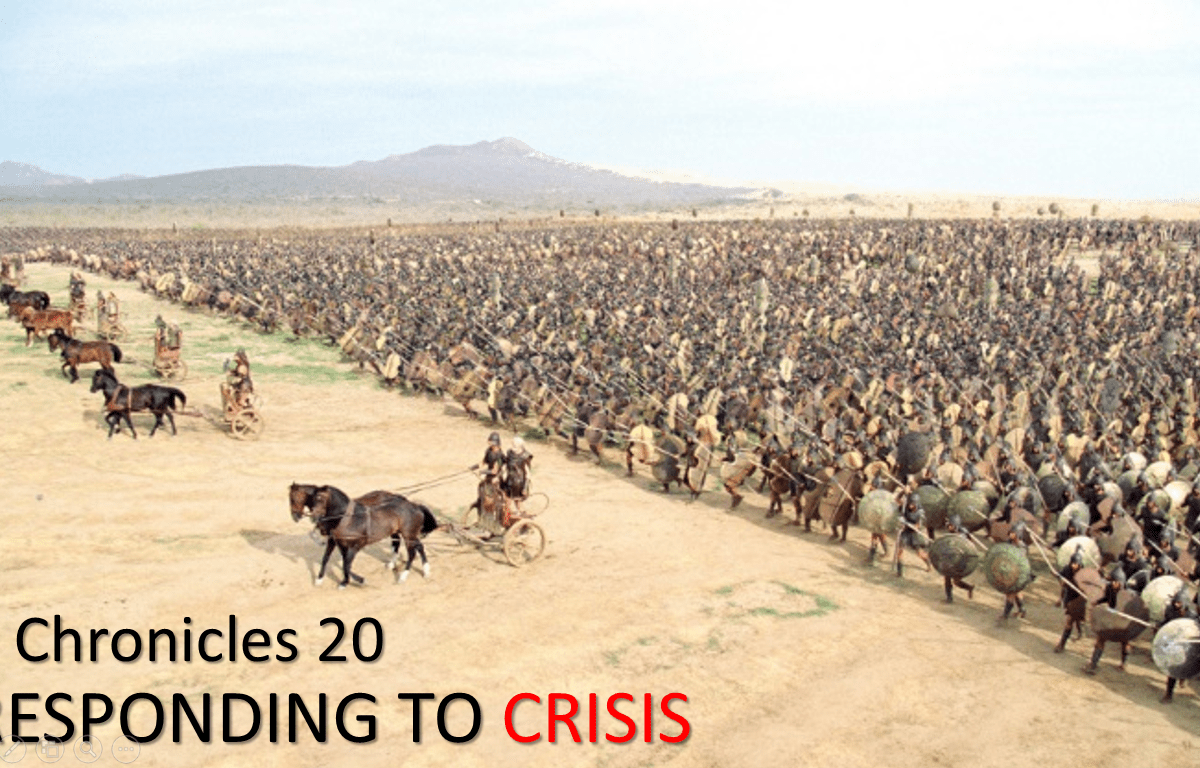








 I bet that this psalmist sang a song that he wrote just over a year earlier, after God had delivered him from Abimelech the Philistine King (Psalms 34). In that song David vowed to “bless the LORD at all times” (verse 1) – in all circumstances, good or bad. Why? Because the Lord is always God, always good. Then he vowed “his praise shall continually be in my mouth” (verse 1) – leaving no space for negativity, grumbling, complaining, fearful or hopeless confessions. David’s mouth was dedicated to speaking of God’s power and goodness – he therefore his heart was encouraged to move on in faith.






































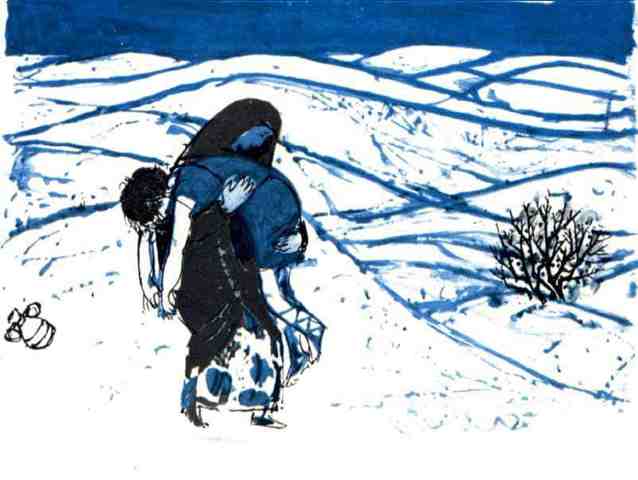
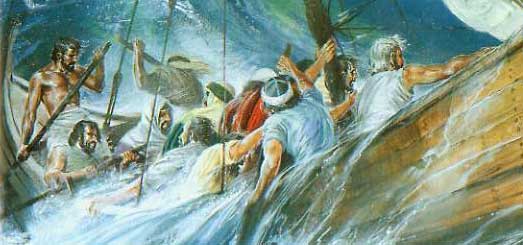















 walklikejesus

